
Planning · When to Go
The Best Time to Visit Oahu
The best time to visit Oahu is September through early November. The island has the fewest visitors of the year, hotel rates hit their low, the ocean is at its warmest, and Waikīkī stays mostly dry until the rains build in November. Late April and May are the runner-up. The weather itself barely changes: Waikīkī’s average high runs from 81°F in January to 88°F in August.
Some links on this page are affiliate links. If you book or buy through them, we may earn a commission at no extra cost to you.
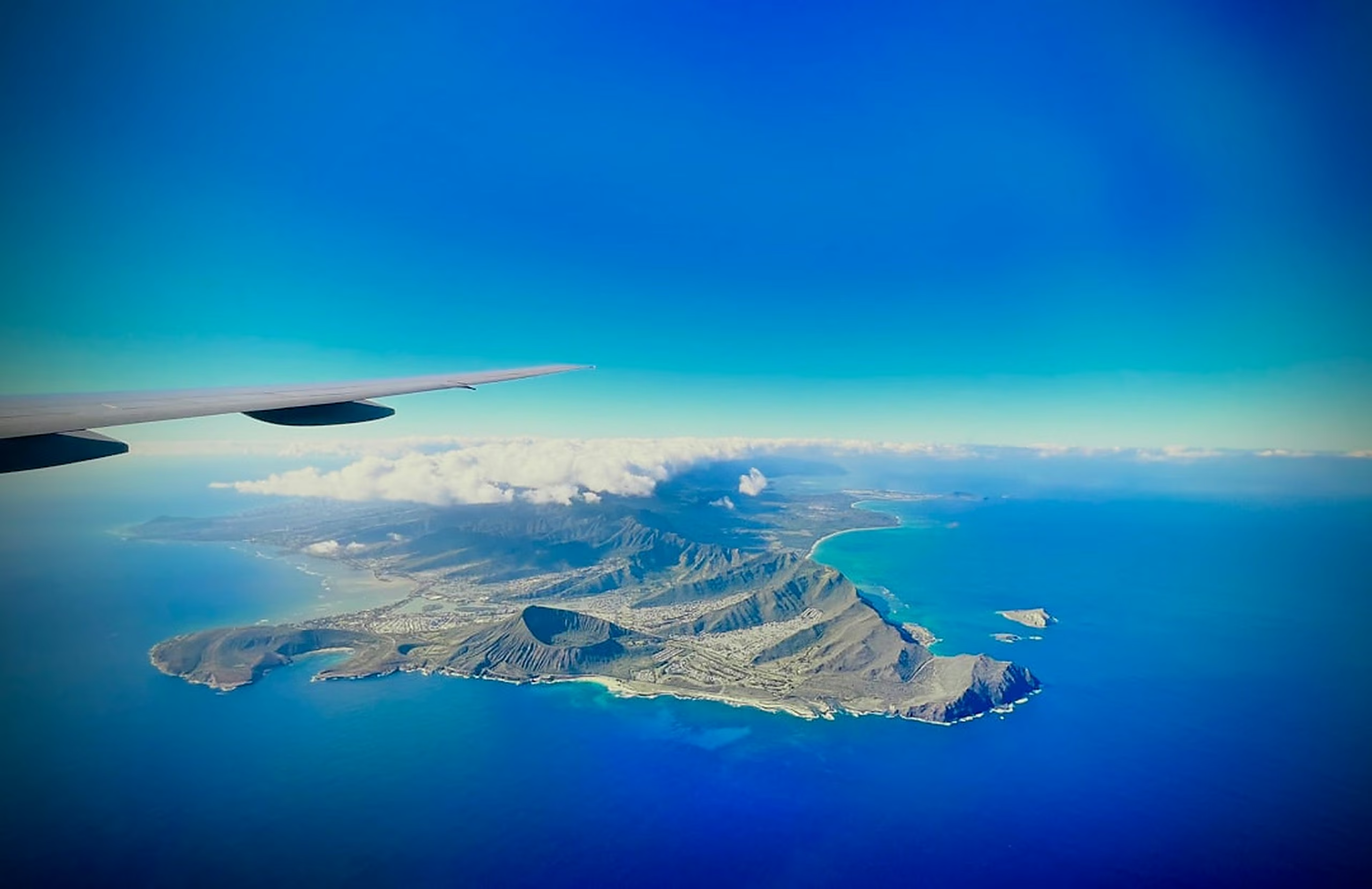
There is no bad month for weather on Oahu. The average high in Waikīkī moves about eight degrees across the whole year, and the ocean averages 77°F even in February, its coolest month. What does change through the year is how many people are on the island with you, what a hotel room costs, and how much rain falls on the side of the island you drive to. Those three move enough to pick a month by.
The numbers on this page are not copied from other travel sites. Temperatures and rain are NOAA’s 30-year climate normals, water temperature comes from our own analysis of the NOAA tide gauge in Honolulu Harbor, and crowds and hotel rates are the state of Hawaiʻi’s monthly figures for 2024 and 2025.
The Short Answer
Go in September or October
Fewer people on the island than any other month, the lowest hotel rates of the year, and 81°F water. The one catch is hurricane season, which peaks in August and September, so book something refundable. If fall does not work, late April through May is the next best window: crowds are below average, May has the lowest hotel rates outside the fall, and the rain has tapered off.
Oahu Weather, Crowds and Prices by Month
| Month | High / low | Rain days | Ocean | Visitors per day | Hotel rate |
|---|---|---|---|---|---|
| January | 81° / 66° | 4.2 | 77° | 111,000 | $288 |
| February | 81° / 66° | 3.5 | 77° | 110,000 | $283 |
| March | 81° / 68° | 4.6 | 77° | 115,000 | $282 |
| April | 83° / 70° | 2.6 | 78° | 107,000 | $278 |
| May | 85° / 71° | 2.7 | 79° | 106,000 | $270 |
| June | 87° / 73° | 1.0 | 80° | 126,000 | $293 |
| July | 87° / 75° | 1.5 | 81° | 123,000 | $308 |
| August | 88° / 75° | 1.7 | 81° | 113,000 | $292 |
| September | 88° / 74° | 2.3 | 82° | 94,000 | $260 |
| October | 87° / 73° | 2.9 | 81° | 96,000 | $261 |
| November | 84° / 72° | 4.5 | 80° | 101,000 | $266 |
| December | 82° / 69° | 4.5 | 78° | 117,000 | $326 |
High and low are average air temperatures in Waikīkī (NOAA 1991 to 2020 normals, station Waikīkī 717.2). Rain days are days with at least a tenth of an inch. Ocean is the average water temperature from our analysis of NOAA station 1612340 in Honolulu Harbor, 2016 to 2026. Visitors per day is the state’s average count of visitors on Oahu on a given day, and hotel rate is the average nightly rate across Oahu hotels, both averaged over 2024 and 2025 (DBEDT and the Hawaii Hotel Performance Report).
Rain Depends on Where You Are
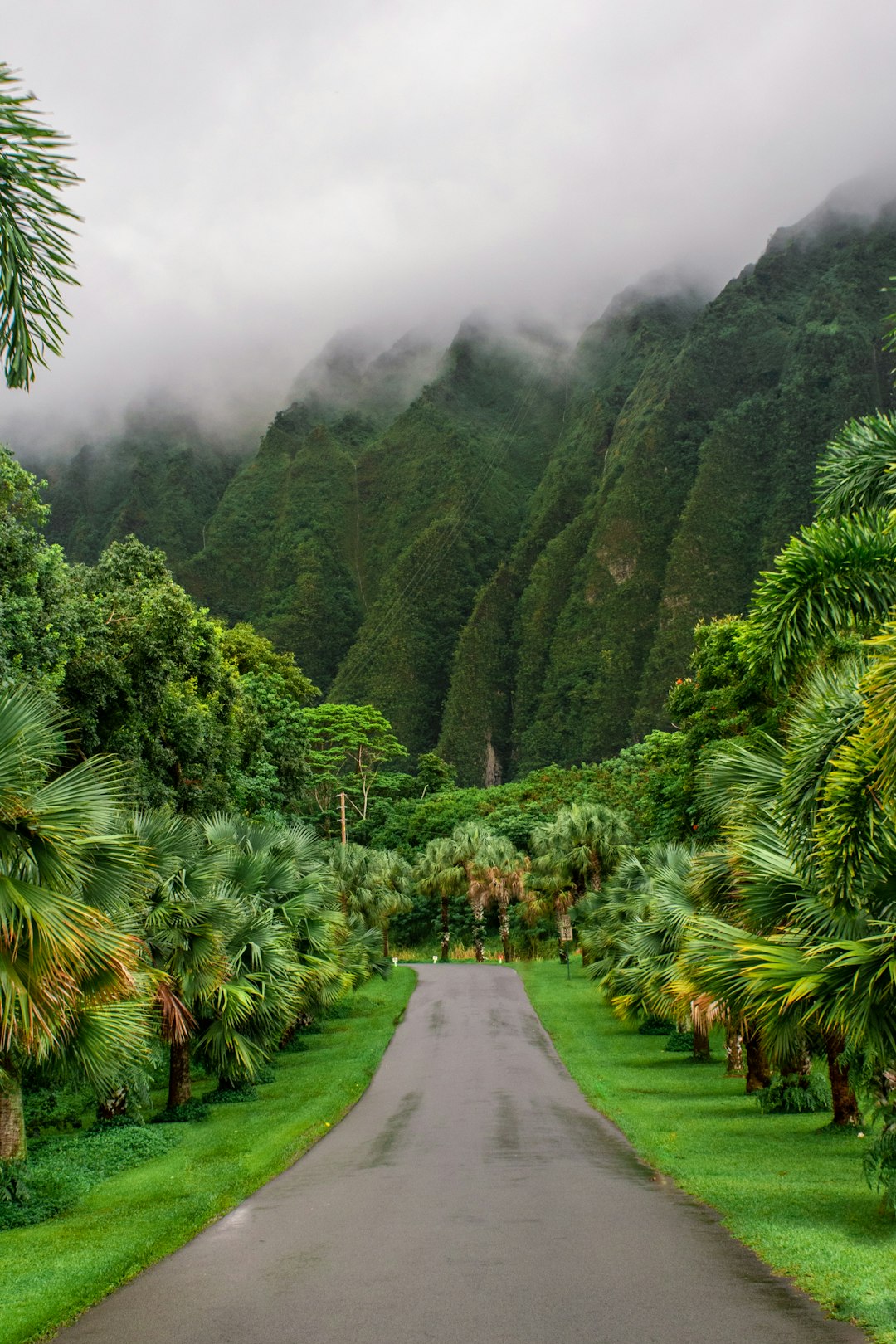
Oahu’s rain has more to do with geography than with the calendar. The trade winds push clouds into the Koʻolau mountains, and the rain falls on the windward side and in the valleys. Waikīkī and the west side sit in the rain shadow and stay dry.
| Place | Side | Rain per year |
|---|---|---|
| Honolulu airport | Leeward | 16.4 in |
| Waikīkī | Leeward | 20.7 in |
| Mākaha | West side | 21.8 in |
| Kāneʻohe | Windward | 50.9 in |
| Waimea Valley | North Shore | 52.0 in |
| Kualoa Ranch | Windward | 71.2 in |
| Lyon Arboretum, upper Mānoa | Valley, 4 miles from Waikīkī | 151.0 in |
Waikīkī gets about 21 inches of rain a year. Kāneʻohe, 20 minutes over the mountains, gets two and a half times that, and Kāneʻohe averages 6 to 10 rain days in every month of the year, so the windward side has no dry season to wait for. The Lyon Arboretum at the top of Mānoa Valley, about four miles from Waikīkī, gets 151 inches.
Three quarters of Waikīkī’s rain falls between October and March, but that is still only 2 to 3 inches a month. For the coming winter, the National Weather Service expects a strong El Niño and a drier than normal wet season. If a morning on the windward side is rained out, turn around: the west side and Waikīkī are usually dry. The Oahu Drive Map shows the drive times between sides.
The Best Month For…
September and October
About 94,000 to 96,000 visitors on the island on an average day, against 126,000 in June, and Oahu hotels average about $260 a night, against $326 in December.
August to October
The water off Honolulu averages 81°F to 82°F, the warmest of the year. February, the coolest month, still averages 77°F.
June
0.6 inches of rain and one rain day in an average June. April through September together bring about a quarter of Waikīkī’s year.
January to March
NOAA puts the season at November through April, with the peak from January through March. You can see spouts from the east-side lookouts.
November to March
Winter swells hit the north and west shores. The Pipe Masters, now the final event of the pro tour, has a December 8 to 20, 2026 window at Pipeline.
May to October
The state’s ocean safety office describes the North Shore in summer as flat to small, the months to snorkel Shark’s Cove and swim at Waimea Bay.
Oahu Season by Season
Each season below opens with its numbers from the table, then what to do and the dates worth planning around. Event dates are for late 2026 and 2027 where the organizers have posted them. Where they have not, the usual month is given.
Summer
- Highs 87 to 88°F
- 1 to 2 rain days a month
- Water 80 to 81°F
- $292 to $308 a night
The busiest and hottest stretch of the year. June has more visitors on the island than any other month, July is the second most expensive month for hotels, and August highs reach 88°F. It is also the driest time in Waikīkī. The ocean flips for the season: the south shore gets the swell and the North Shore goes calm enough to swim. In June and July the sun sets after 7 p.m., which leaves a long evening after a full day on the road.
What to do
- Snorkel Shark’s Cove and swim Waimea Bay. The state’s ocean safety office calls the North Shore flat to small in summer. The same two spots take heavy surf in winter.
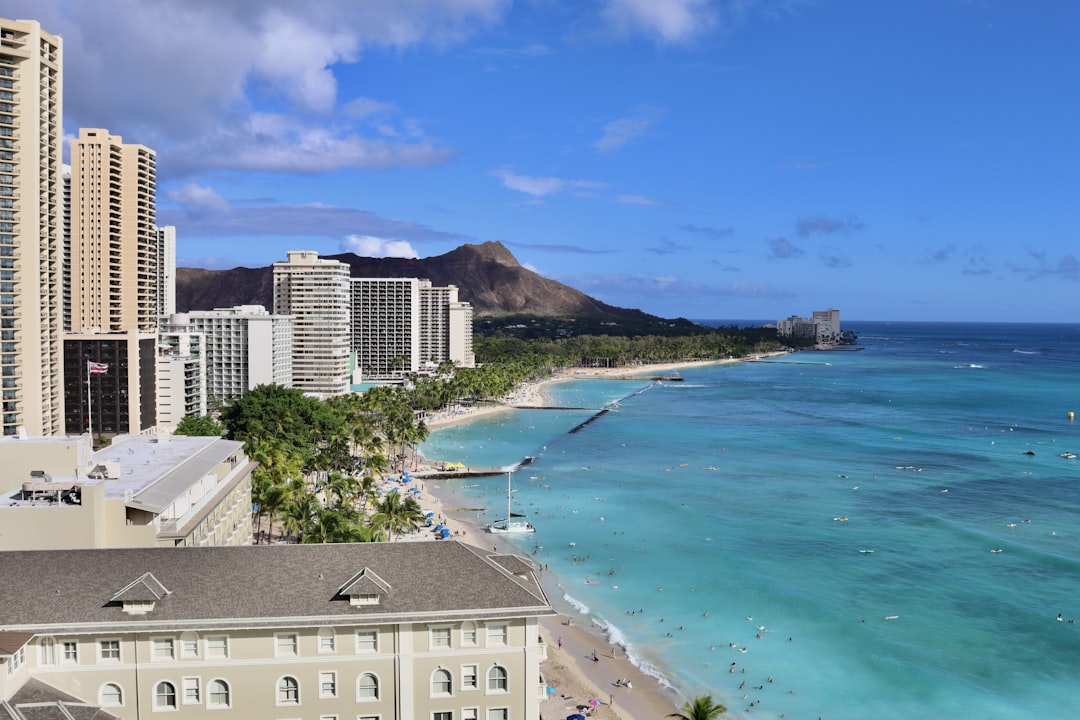
- Surf Waikīkī. South swells bring the steadiest surf of the year to Waikīkī’s breaks. Beginners should book a lesson and go on a small morning. The Waikīkī surf guide covers which break suits which level.
- Hike at first light. Diamond Head opens at 6 a.m., and non-residents need a reservation ($5 a person). The crater trail has little shade, so an early start beats the 88°F afternoon.
- Book the busy month early. June has the most visitors of any month. Reserve rental cars and popular tours well ahead. Hanauma Bay reservations open two days out at 7 a.m. Hawaiʻi time.
- Stay out for sunset. The sun sets at 7:16 p.m. on the June solstice, late enough for a sunset sail off Waikīkī after a North Shore day.
On the calendar
- June, around the 11thKing Kamehameha Day: lei draping at the statue downtown, then the Floral Parade from ʻIolani Palace to Kapiʻolani Park
- Jun 11 to 13, 2027Pan-Pacific Festival in Waikīkī
- June to early OctBon dances across the island, most of them June through August
- July 4Fireworks at Waikīkī Beach, Kailua Beach and Haleʻiwa Beach Park (the 2026 lineup)
- Mid-JulyPrince Lot Hula Festival, held at the Royal Hawaiian Center in 2026
- Mid-JulyInternational ʻUkulele Festival of Hawaiʻi at Kapiʻolani Park
- Mid to late AugDuke’s OceanFest in Waikīkī, ending Aug 24 on Duke Kahanamoku’s birthday

We may earn a commission if you book through this link, at no extra cost to you.
Fall
- Highs 84 to 88°F
- 2 to 5 rain days a month
- Water 80 to 82°F
- $260 to $266 a night
The best-value season. Visitor numbers drop sharply in September, rates bottom out in September and October, and the water is warmer than it was all summer. Hurricane season runs to November 30, so book refundable. The dry weather holds through October. Rain picks up in November, when the first big North Shore swells arrive.
What to do
- Snorkel in the warmest water of the year. The ocean off Honolulu averages 82°F in September. Hanauma Bay is closed Mondays and Tuesdays, and non-residents pay $25 and reserve online two days ahead.
- Spend a day on the west side. The Waiʻanae coast is the driest part of the island: Mākaha gets about 22 inches of rain a year, against 51 in Kāneʻohe. Spinner dolphins rest in the west-side bays by day. Federal rules keep swimmers and boats 50 yards away, so a good tour watches them from the boat.
- Do the long hikes before November. Waikīkī averages 2.3 rain days in September and 4.5 in November. Leeward trails like Diamond Head and Makapuʻu are dry early in the season.
- Watch the first winter swells. The North Shore starts breaking in November, and the surf contest season opens at Sunset Beach and Haleʻiwa. Watch from the sand.
On the calendar
- SeptemberAloha Festivals: the Hoʻolauleʻa street party on Kalākaua and the Floral Parade from Ala Moana Park to Kapiʻolani Park
- Oct 21 to Nov 5, 2026Hawaiʻi International Film Festival
- Nov 5 to 8, 2026The Oahu weekend of the Hawaiʻi Food & Wine Festival, most of it in Waikīkī
- Nov 16 to Dec 7, 2026Permitted surf contest windows at Sunset Beach and Haleʻiwa

We may earn a commission if you book through this link, at no extra cost to you.
Winter
- Highs 81 to 82°F
- About 4 rain days a month
- Water 77 to 78°F
- $282 to $326 a night
Whales, big surf, and the holidays. December is the most expensive month for Oahu hotels, and the weeks around Christmas and New Year’s book up first. This is the wettest part of the year in Waikīkī, at about four rain days a month, and the shortest: the sun sets before 6 p.m. in December. The water drops to 77°F, still warm enough to swim without a wetsuit. March brings spring break and one of the year’s arrival peaks.
What to do
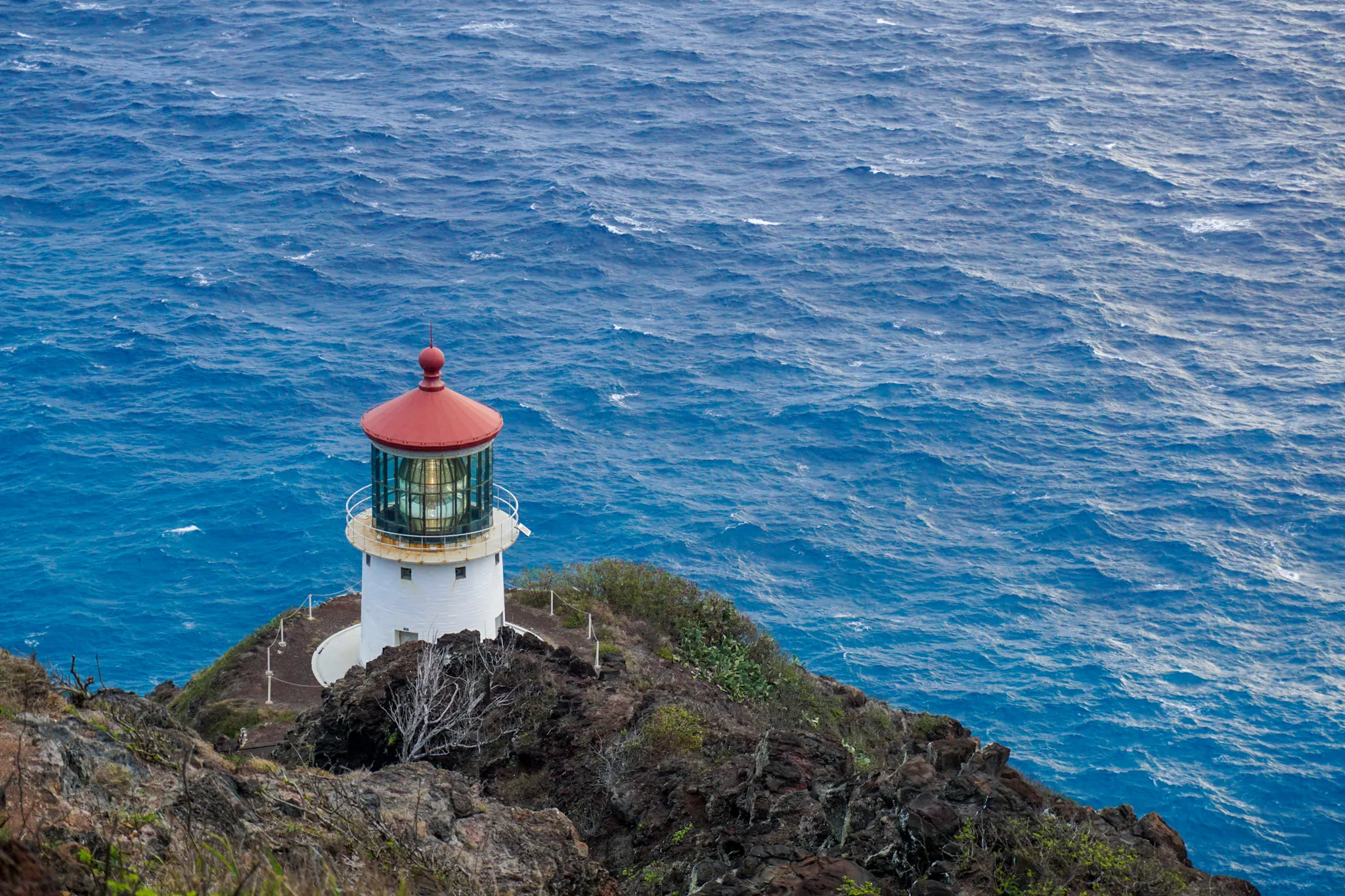
- Watch whales from shore. Scan for spouts from the Makapuʻu Lighthouse Trail and the Lānaʻi Lookout on the southeast coast. Boats have to stay 100 yards from humpbacks by federal rule. Our guide to whale watching on Oahu has the lookouts and timing.
- Watch big surf from the sand. On a big swell, crowds gather at Waimea Bay, Pipeline at ʻEhukai Beach Park, and Sunset Beach. Stay out of the water. Kamehameha Highway through Haleʻiwa backs up on those days, so leave early.
- Swim where it stays calm. The swells hit the north and west shores. Waikīkī and the Ko Olina lagoons stay calm through the winter.
- Keep a rain plan. If the windward side is wet, the Bishop Museum and ʻIolani Palace in Honolulu fill a half day, and Waikīkī is usually dry.
On the calendar
- Dec 5, 2026Honolulu City Lights opening night at Honolulu Hale; the displays stay up through December
- Dec 8 to 20, 2026Pipe Masters window at Pipeline
- Dec 13, 2026Honolulu Marathon
- Jan 14 to 16, 2027Sony Championship Hawaii at Waiʻalae Country Club, now a PGA TOUR Champions event
- Jan 29 to 30, 2027Chinese New Year celebration at Chinatown Cultural Plaza, ahead of Lunar New Year on Feb 6
- Feb 5 to 6, 2027Punahou Carnival
- Feb 15, 2027Great Aloha Run, back as a 5K through downtown and Chinatown
- Mar 5 to 7, 2027Honolulu Festival

We may earn a commission if you book through this link, at no extra cost to you.
Spring
- Highs 83 to 85°F
- About 3 rain days a month
- Water 78 to 79°F
- $270 to $278 a night
The runner-up. May has the lowest hotel rates outside the fall, crowds sit below average, and the rain drops off after March. The winter surf fades through April, and by May the North Shore is calm enough to snorkel. Summer crowds arrive in June.
What to do
- Catch the end of whale season. NOAA’s season runs through April, so an early-spring trip still gets spouts from the east-side lookouts.
- Make the North Shore day trip. By May Shark’s Cove is calm enough to snorkel. At Waimea Valley, lifeguards set the waterfall swim status each morning at 9 and close it after heavy rain or for water quality. Life jackets are required and provided.
- Hike on drier trails. Rain days in Waikīkī drop from 4.6 in March to 2.6 in April. Diamond Head and the Makapuʻu Lighthouse Trail are dry and exposed. Valley hikes like Mānoa Falls stay muddy all year.
- Plan around Golden Week. Japan’s holiday week, around April 29 to May 5, brings a bump in Japanese visitors to Waikīkī hotels.
On the calendar
- Apr 24, 2027Waikīkī Spam Jam, a street festival on Kalākaua, 4 to 10 p.m.
- Apr 29 to May 5Golden Week in Japan
- May 1, 2027Lei Day at Queen Kapiʻolani Park
- May 31, 2027Lantern Floating Hawaiʻi at Ala Moana Beach Park, Memorial Day at 6:30 p.m.

We may earn a commission if you book through this link, at no extra cost to you.
Dates to Plan Around
- Hurricane season, June 1 to November 30. The peak is August and September. Direct hits on Oahu are rare, but a storm passing nearby still causes damage: Hurricane Lowell passed west of Kauaʻi on September 8, 2026 and left about 21,000 Oahu customers without power, mostly on the Leeward and Windward coasts. If you are booking August through October, buy travel insurance that covers named storms.
- Box jellyfish, 8 to 10 days after each full moon. They wash into Waikīkī and the south and leeward shores on a monthly schedule. The Waikīkī Aquarium publishes the predicted days, and lifeguards post warning signs. See is it safe to swim on Oahu today.
- The holidays. Christmas through New Year’s is the most expensive stretch of the year. Book hotels and rental cars months ahead.
- The Honolulu Marathon, December 13, 2026. The organizer reported about 43,000 entrants across the 2025 race weekend. Waikīkī hotels fill and roads close on race morning.
- Daylight. Hawaiʻi does not use daylight saving time. On the June solstice the sun sets at 7:16 p.m.; in December it sets at 5:55 p.m. That is 2 hours 36 minutes less daylight for sightseeing in winter.
Next Step
Picked Your Month? Now Pick Your Days
Timing is the first decision. Trip length is the second: our guide to how many days you need in Oahu covers what fits into one day, three, five and a full week. Then the free Oahu Itinerary Builder turns your dates into a day-by-day plan.
Best Time to Visit Oahu: Questions
What is the best month to visit Oahu?
September. It has the fewest visitors on the island of any month and the lowest average hotel rate, about $260 a night on Oahu, and the ocean is at its warmest, about 82°F. October is nearly as good. The trade-off is that September is in the middle of hurricane season, so book refundable or insured.
When is the rainy season on Oahu?
The National Weather Service counts October through April as Hawaiʻi’s wet season. In Waikīkī that still means about 2 to 3 inches of rain and three to five rain days in most of those months. The windward side and the valleys get far more rain all year.
When is hurricane season in Hawaii?
June 1 to November 30, with the peak in August and September. Direct hits on Oahu are rare, but a storm that passes nearby still brings wind, flooding and power cuts. Hurricane Lowell passed west of Kauaʻi on September 8, 2026 and left about 21,000 Oahu customers without power.
What is the cheapest time to go to Oahu?
September, October and November have the lowest hotel rates on Oahu, about $260 to $266 a night on average in 2024 and 2025. May is next at about $270. December is the most expensive month, at about $326.
When is Oahu least crowded?
September and October. In 2024 and 2025, an average September day had about 94,000 visitors on the island and an average October day about 96,000. June averaged about 126,000.
Is December a good time to visit Oahu?
It is the most expensive month and one of the busiest, and it gets about 4.5 rain days in Waikīkī. It is also the start of whale season, big-wave season on the North Shore, and the Honolulu Marathon (December 13, 2026). Go for those, and book early.
When can you see whales on Oahu?
November through April, with the most whales from January through March, according to NOAA’s humpback whale sanctuary.
Leave a Reply