
Oahu · Trip Planning
Hawaii Packing List: What to Bring to Oahu
Oʻahu’s weather is the easy part of packing: Waikīkī’s average high stays between 80.5°F in January and 88.2°F in August. The harder part is what surrounds the bag: a Pearl Harbor bag limit measured in fractions of an inch, a Hanauma Bay lot that takes only cash, trail advice from the state, and a USDA inspection before you fly home. Here is what to bring, month by month and place by place, with the source for every rule.
Some links on this page are affiliate links. If you book or buy through them, we may earn a commission at no extra cost to you.
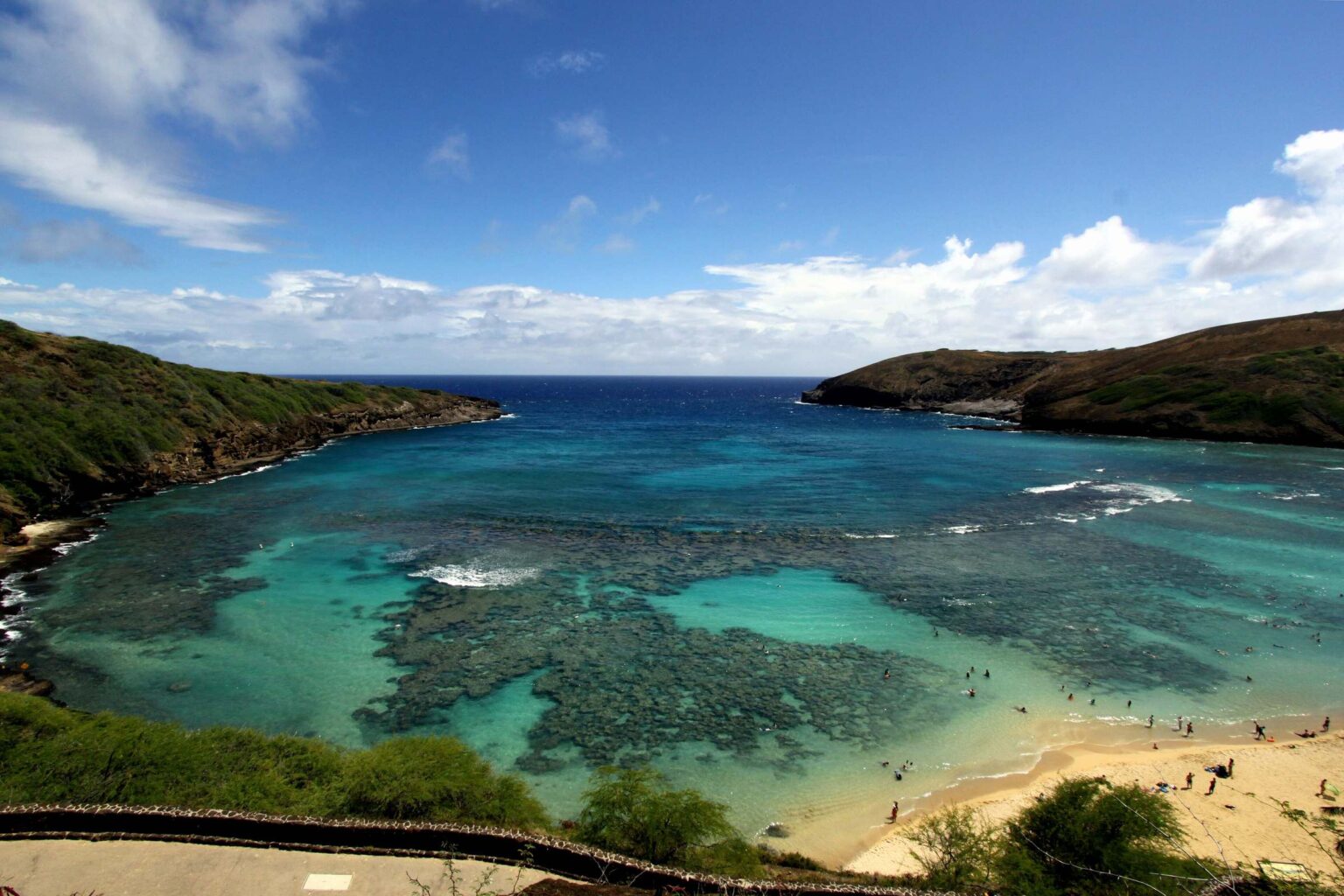
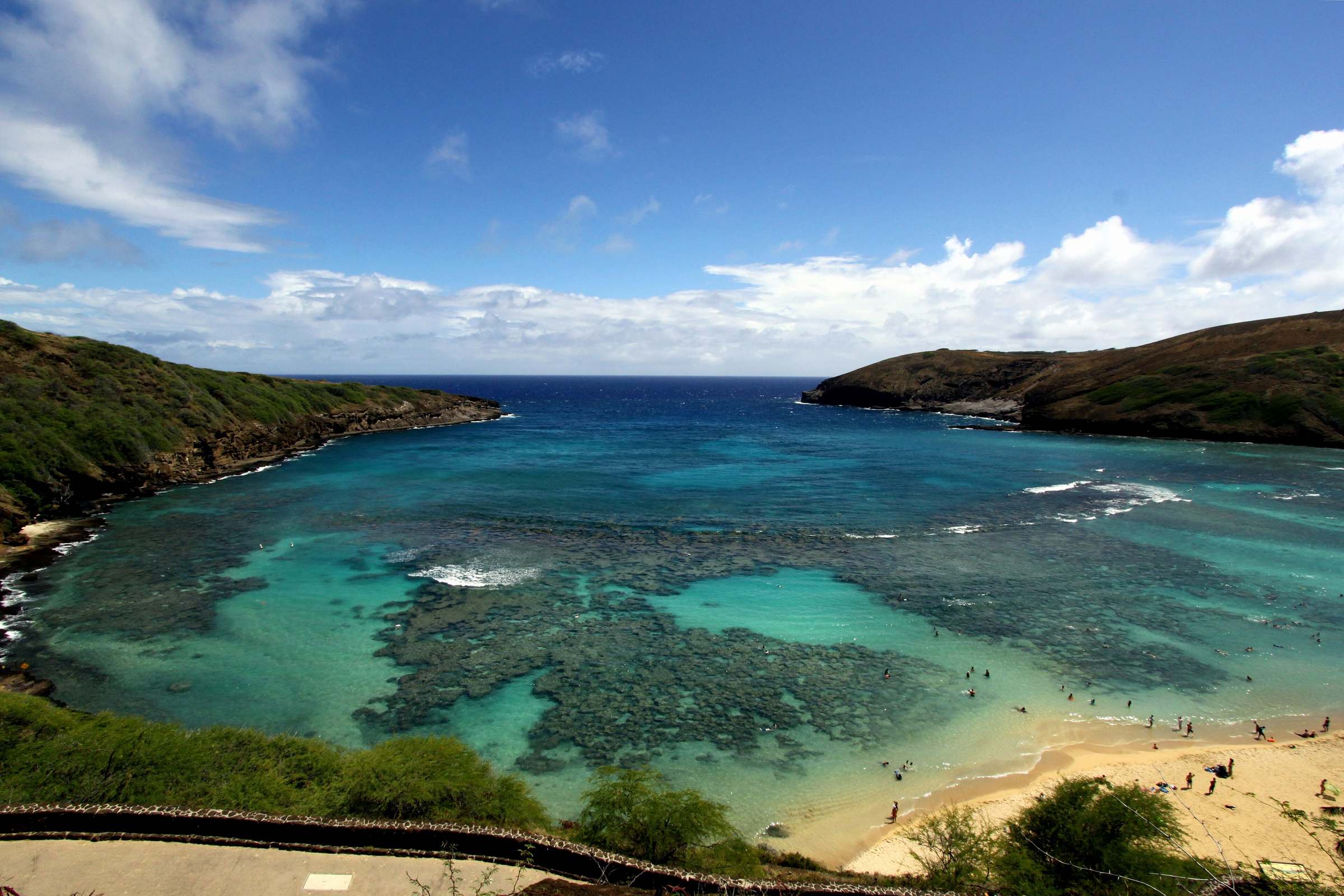
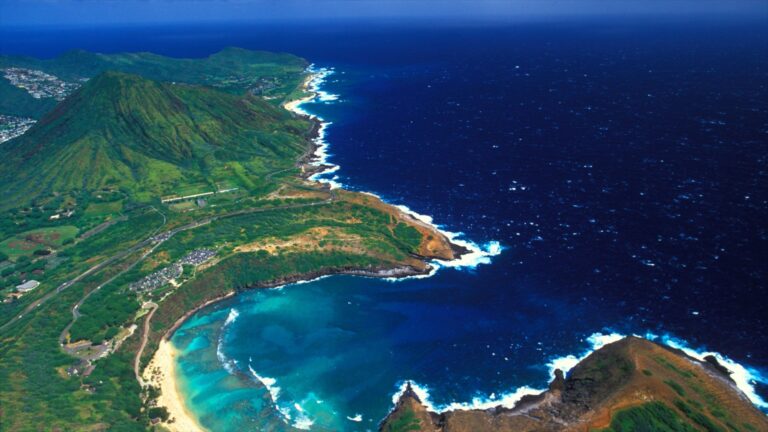
Hanauma Bay from the rim above the beach. Photo: Prayitno, CC BY 2.0, via Wikimedia Commons.
Quick Answer
The short list. Light clothes for 80s°F days, a rain shell, one warm layer, closed shoes with traction for trails, a hat, sunscreen, a small pack with water, cash for Hanauma Bay parking, and a bag small enough for Pearl Harbor. Leave plants, soil and most fresh fruit out of the bag you take home.
Weather by Month: What Goes in the Bag
The National Weather Service lists “mild temperatures throughout the year” among the outstanding features of Hawaiʻi’s climate, and says there are only two seasons: “summer,” May to October, and “winter,” October to April. Winter “is the season of more frequent clouds and rainstorms” (NWS Honolulu). Which side of the island you sleep on matters more than the month: NOAA’s 1991 to 2020 normals count 1.0 to 4.6 days a month with at least 0.10 inch of rain in Waikīkī and 6.5 to 10.2 in windward Kāneʻohe (NOAA NCEI).
| Month | Waikīkī avg high / low (°F) | Rain days, Waikīkī | Rain days, Kāneʻohe | Add to the bag |
|---|---|---|---|---|
| January | 80.5 / 66.0 | 4.2 | 8.1 | Rain shell and one warm layer |
| February | 80.8 / 66.3 | 3.5 | 6.8 | Rain shell and one warm layer |
| March | 81.2 / 67.8 | 4.6 | 8.5 | Rain shell and one warm layer |
| April | 83.0 / 69.7 | 2.6 | 6.7 | Rain shell and lighter layers |
| May | 84.7 / 71.2 | 2.7 | 6.5 | Light layers and a hat |
| June | 86.5 / 73.4 | 1.0 | 7.1 | Lightest clothes and a hat |
| July | 87.1 / 74.5 | 1.5 | 7.8 | Lightest clothes and a hat |
| August | 88.2 / 74.8 | 1.7 | 7.5 | Lightest clothes and a hat |
| September | 88.0 / 74.1 | 2.3 | 8.5 | Lightest clothes and a hat |
| October | 86.8 / 73.1 | 2.9 | 8.3 | Light layers and the rain shell |
| November | 83.8 / 71.5 | 4.5 | 10.2 | Rain shell and one warm layer |
| December | 81.6 / 68.8 | 4.5 | 9.3 | Rain shell and one warm layer |
The bag column is our reading of those numbers, not an official forecast. For water temperature, crowds and surf by month, see our best time to visit Oʻahu guide, and for one month in detail, Oʻahu in November. On a wet day, the plans are in our rainy day guide.
Clothes and Shoes
Pack for warm days, short showers and a few cooler evenings. Waikīkī’s average low is 66.0°F in January and 74.8°F in August (NOAA normals, table above).
- Light clothes that dry fast. Highs stay in the 80s°F all year, so cotton and linen are fine, but anything you wear to the beach and then to lunch should not need a dryer.
- A rain shell. State Parks says light rain gear is good to carry “because of the quickly changing weather conditions” (DLNR).
- One warm layer. Lows near 66°F in the cooler months feel cool after sunset, especially with wind and wet swimwear. A sweater or light jacket covers it.
- A hat and sunglasses. State Parks recommends a hat, sunglasses and sunscreen on trails (DLNR).
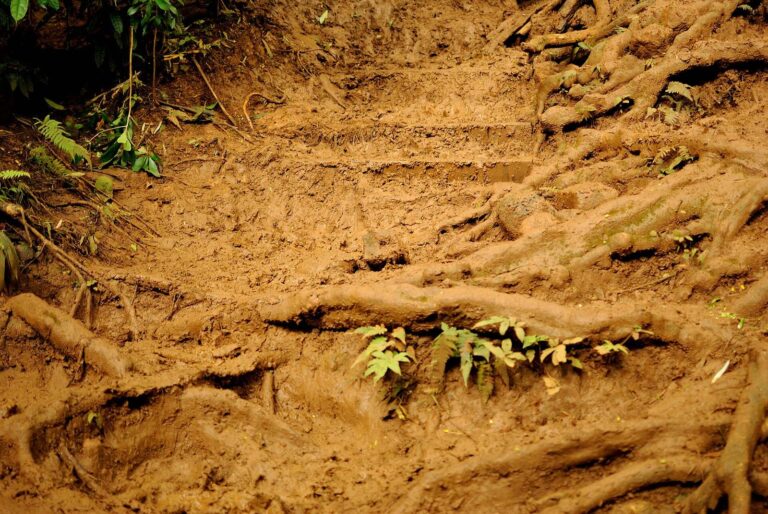
- Closed shoes with traction for any trail. State Parks says hiking boots “offer traction and ankle support to prevent slipping and injuries on muddy trails and slick or sharp rocks,” and Nā Ala Hele asks for “sturdy and comfortable shoes with good traction” (Nā Ala Hele). The Mānoa Falls trail (Google Maps) is a short walk that gets muddy. If you only want flat paths, see our guide to easy trails you can do in flip-flops.
- Slippers or sandals for the beach. Leave the closed shoes in the bag for the sand and bring something you can kick off.
For the Beach and Hanauma Bay
Hanauma Bay has its own admission rules, so it gets its own list. The City’s nature preserve is open Wednesday through Sunday, entry runs 6:45 a.m. to 1:30 p.m., and everyone leaves by 4 p.m. (City and County of Honolulu). Booking steps are in our Hanauma Bay reservations guide; here is what goes in the bag.
- Cash for parking. Parking is collected in cash only, $3 for nonresidents. Food and snorkel rentals take credit or debit cards only (City and County of Honolulu, checked Oct 25, 2026).
- Photo ID that matches your reservation. The City requires a valid photo ID matching the printed or digital reservation. Nonresidents 13 and older pay $25 plus a 2.35% online fee; children 12 and under are free (City).
- Your own snorkel set, or plan to rent. Rentals run 7 a.m. to 3 p.m. (City). Every visitor watches the educational video in the theater on each visit, and it runs about nine minutes (City). Gear for other reefs is covered in our snorkeling on Oʻahu guide.
- Water shoes or fins for the walk in. The City warns of “sharp coral reefs close to the shoreline” and says to use caution in shallow reef areas (City). Never stand on the coral.
- Sunscreen you checked at home. Hawaiʻi bans selling sunscreen with oxybenzone or octinoxate without a prescription (HRS 342D-21). What the law covers, and what it does not, is in our Hawaiʻi sunscreen guide.

Hanauma Bay Guided Snorkeling Tour with Transportation
★★★★★ 4.9 · 235 reviews · From $115
Check AvailabilityWe may earn a commission if you book through this link, at no extra cost to you.
For the Trail and Diamond Head
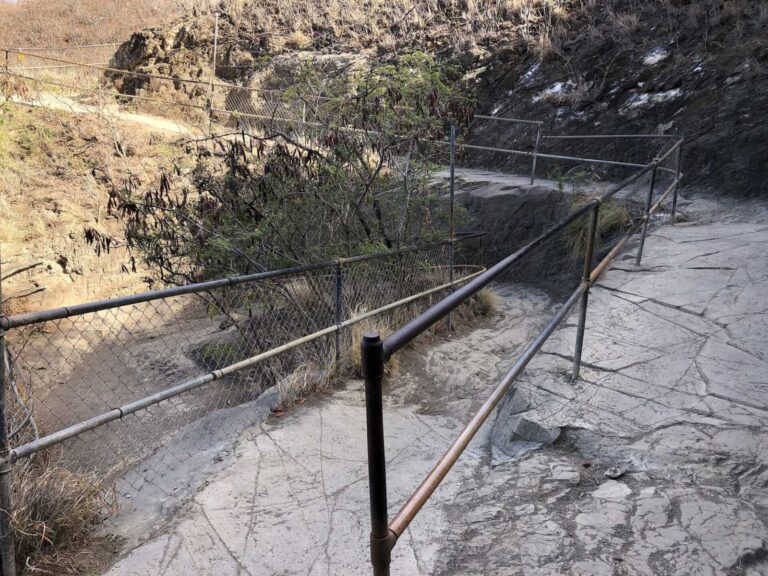
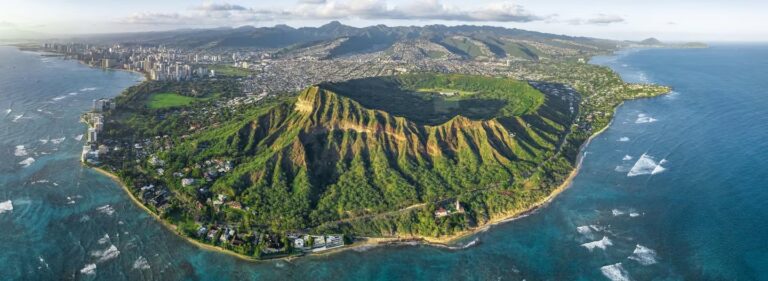
State Parks’ Nā Ala Hele program tells hikers to carry “a small pack with water,” with basic first aid materials, energy snacks, a cell phone and a plastic garbage bag that can double as rain gear (Nā Ala Hele). Diamond Head is the hike many visitors add. The summit trail is 0.8 mile each way and climbs 560 feet, with steep stairways and a lighted tunnel (State Parks), and the park page says to “wear good walking shoes, bring water, and wear a hat and sunscreen” (State Parks).
- Water, in a small pack. State Parks gives no quantity. Bring a full bottle for each person, and more on a hot day or a long trail.
- A charged phone and an offline map. Nā Ala Hele says to take a fully charged phone but expect no service on some trails, and its Outerspatial app lets you download trail data for offline navigation (Nā Ala Hele).
- A reservation, with a printout or screenshot. Diamond Head turns away anyone without a reservation except Hawaiʻi residents with a state ID. The last reservation is 4:00 p.m., the last entry 4:30 p.m., and everyone is out by 6:00 p.m. (State Parks FAQ). Fees are in our Diamond Head reservations guide.
- A plan someone else knows. State Parks says to tell someone the trail and your return time and not to hike alone (DLNR). Pets are not allowed at Diamond Head except service animals (State Parks).
- Official trails only. Nā Ala Hele says “unofficial trails are illegal and may harm native species habitat” and asks hikers to clean their gear before and after a hike (Nā Ala Hele). More routes are in our Oʻahu hikes hub.

Diamond Head Hike Shuttle with Reservation Tickets Included
★★★★★ 4.8 · 692 reviews · From $40
Check AvailabilityWe may earn a commission if you book through this link, at no extra cost to you.
Pearl Harbor: Pack a Smaller Bag
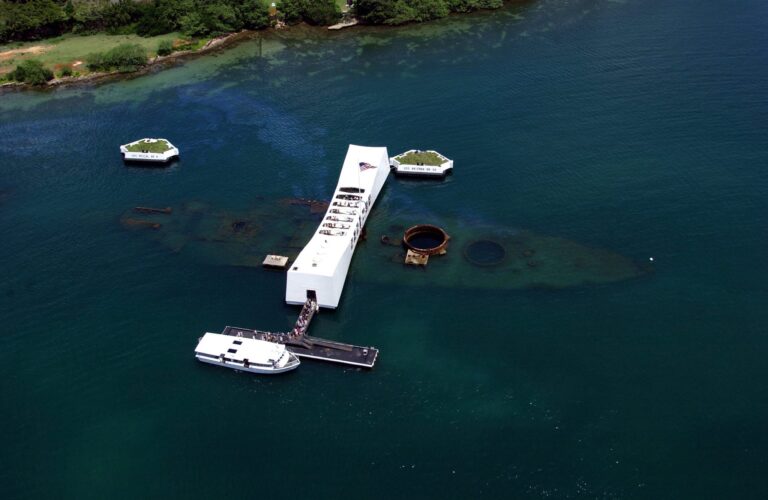
The National Park Service does not allow “any bags, packages, or containers that offer concealment” larger than 1.25 by 2.25 by 5.5 inches at the Pearl Harbor National Memorial. That bans purses, backpacks, camera bags and luggage (NPS, updated July 8, 2026). A storage facility near the visitor center entrance charges a fee for every size. Tickets, timing and kids are in our Pearl Harbor visiting guide.
- Clear plastic bags and small clutches or wallets are allowed. The NPS permits clear bags “in which contents are readily visible” and clutches or wallets up to the same 1.25 by 2.25 by 5.5 inch size. Bring one clear bag for your phone, ID and sunscreen.
- No aerosol cans. The NPS bans aerosol containers, which covers aerosol sunscreen and bug spray. Carry a lotion or stick instead.
- No glass, alcohol or knives. Glass containers are prohibited except baby food jars and tempered glass water bottles. Alcohol is banned, and so are knives, multitools and pocket knives.
- Food and water are fine if they are not hidden in a package. The NPS allows food and water that are not concealed in a package.
Chargers, Liquids and Paperwork
Three airline rules decide what goes in the carry-on. Our Hawaii travel tips cover REAL ID and the agricultural declaration you fill out before landing (Akamai Arrival).
- Spare batteries and power banks go in the carry-on. The FAA says spare lithium batteries, including power banks, travel in carry-on baggage only. Each rechargeable battery is limited to 100 watt hours, and up to two larger spares (101 to 160 watt hours) need airline approval (FAA PackSafe, updated Aug 11, 2026). That covers camera and action-camera spares.
- Sunscreen in a carry-on is capped at 3.4 ounces. TSA allows sunscreen of 3.4 ounces (100 ml) or less in carry-on bags. In checked bags the FAA limits each container to 18 ounces and the total to 70 ounces per person (TSA, last updated Mar 29, 2023). A full-size bottle goes in the checked bag, or you can buy one after you land.
- Allow time at the airport. HDOT asks you to arrive at least two hours before overseas flights and 90 minutes before interisland flights (HDOT). Terminals and check-in are in our Honolulu airport guide (Google Maps).
Flying Home: What Clears USDA Inspection
Going to the mainland, you “must present all food, plants, and other agricultural items to the USDA inspector” (USDA APHIS, page modified Sep 16, 2026). Inspection stations sit in front of the airline check-in counters and usually open when the counters do, generally two hours before a flight (Hawaiʻi Plant Industry Division). Every bag, checked and carry-on, is inspected before the flight, so leave time to open them (HDOT).
| Item type | Allowed after USDA inspection | Not allowed |
|---|---|---|
| Fruit and vegetables | Fresh pineapple, coconut, coffee, commercially canned or processed foods | Most other fresh fruits and vegetables; berries of any kind, including fresh coffee berries and sea grapes |
| Flowers and leis | Fresh flowers, leis and foliage; seed leis and seed jewelry | Fresh jade vine and Mauna Loa flowers; mock orange |
| Plants and soil | Certain plants and cuttings | Any plants in soil; soil; cactus; sugarcane |
| Souvenirs from the shore and woods | Beach sand, rocks and stones, seashells (not land snail shells), wood including driftwood | Live insects and snails |
The list is USDA’s, and it can change, so check the APHIS page before you pack souvenirs. Citrus and citrus-related plants and mock orange are excluded, so ask the seller what is in a lei before you buy it.
Hawaii Packing List Questions
What should I pack for Oahu?
Light clothes for highs of 80.5°F to 88.2°F, a rain shell, one warm layer, a hat, closed shoes with traction for trails, a swimsuit and sunscreen. Add cash for Hanauma Bay parking and a bag under 1.25 by 2.25 by 5.5 inches, or a clear bag, for Pearl Harbor.
Do I need a jacket in Hawaii?
A light one. Waikīkī’s average low is 66.0°F in January, and windward Kāneʻohe has 6.5 to 10.2 rain days a month, so a rain shell and a sweater cover most evenings (NOAA 1991 to 2020 normals).
Can I bring sunscreen on the plane to Hawaii?
Yes. TSA allows 3.4 ounces (100 ml) or less in a carry-on, and larger bottles go in checked bags. Hawaiʻi bans selling sunscreen with oxybenzone or octinoxate without a prescription, so check the label.
What can I not take home from Hawaii?
Any plants in soil, soil, cactus, sugarcane, mock orange, live insects and snails, and most fresh fruits and vegetables. Fresh pineapple, coconut, coffee and most leis are allowed after USDA inspection.
What bag can I bring to Pearl Harbor?
A clear plastic bag, or a clutch or wallet no larger than 1.25 by 2.25 by 5.5 inches. Larger bags, backpacks and luggage must go to the paid storage facility near the visitor center.
Sources, checked Oct 25, 2026
- Climate summary (NWS Honolulu)
- NOAA U.S. Climate Normals 1991 to 2020, Waikīkī and Kāneʻohe stations (NCEI data service, pulled Oct 25, 2026)
- Hiking in Hawaiʻi (DLNR State Parks)
- Nā Ala Hele Trail and Access Program: Hike Pono and Hike Safely (DLNR)
- Diamond Head State Monument (DLNR State Parks)
- Diamond Head Summit Trail (DLNR State Parks)
- Diamond Head State Monument FAQ (Hawaiʻi State Parks)
- Hanauma Bay Nature Preserve (City and County of Honolulu)
- Hanauma Bay safety and accessibility (City and County of Honolulu)
- HRS 342D-21, sunscreen sales (Hawaiʻi Revised Statutes)
- Park rules and safety (National Park Service, Pearl Harbor National Memorial)
- Traveling with agricultural products from Hawaiʻi (USDA APHIS)
- Traveling from Hawaiʻi to the U.S. mainland (Hawaiʻi Plant Industry Division)
- Agriculture inspection (Daniel K. Inouye International Airport, HDOT)
- Ticketing and check-in times (Daniel K. Inouye International Airport, HDOT)
- Akamai Arrival, agricultural declaration (State of Hawaiʻi)
- Sunscreen (TSA)
- Lithium batteries (FAA PackSafe)
Researched from the sources above, checked Oct 25, 2026. We never claim a visit we did not make; first-hand notes are marked as Stew’s. How we research and review.
Leave a Reply