Food & Culture · Oahu
What Is Traditional Hawaiian Food?
Hawaiian cuisine layers indigenous staples with flavors brought by Japanese, Chinese, Portuguese, and Filipino communities. Here is what each dish is, and where it comes from.
Some links on this page are affiliate links. If you book or buy through them, we may earn a commission at no extra cost to you.
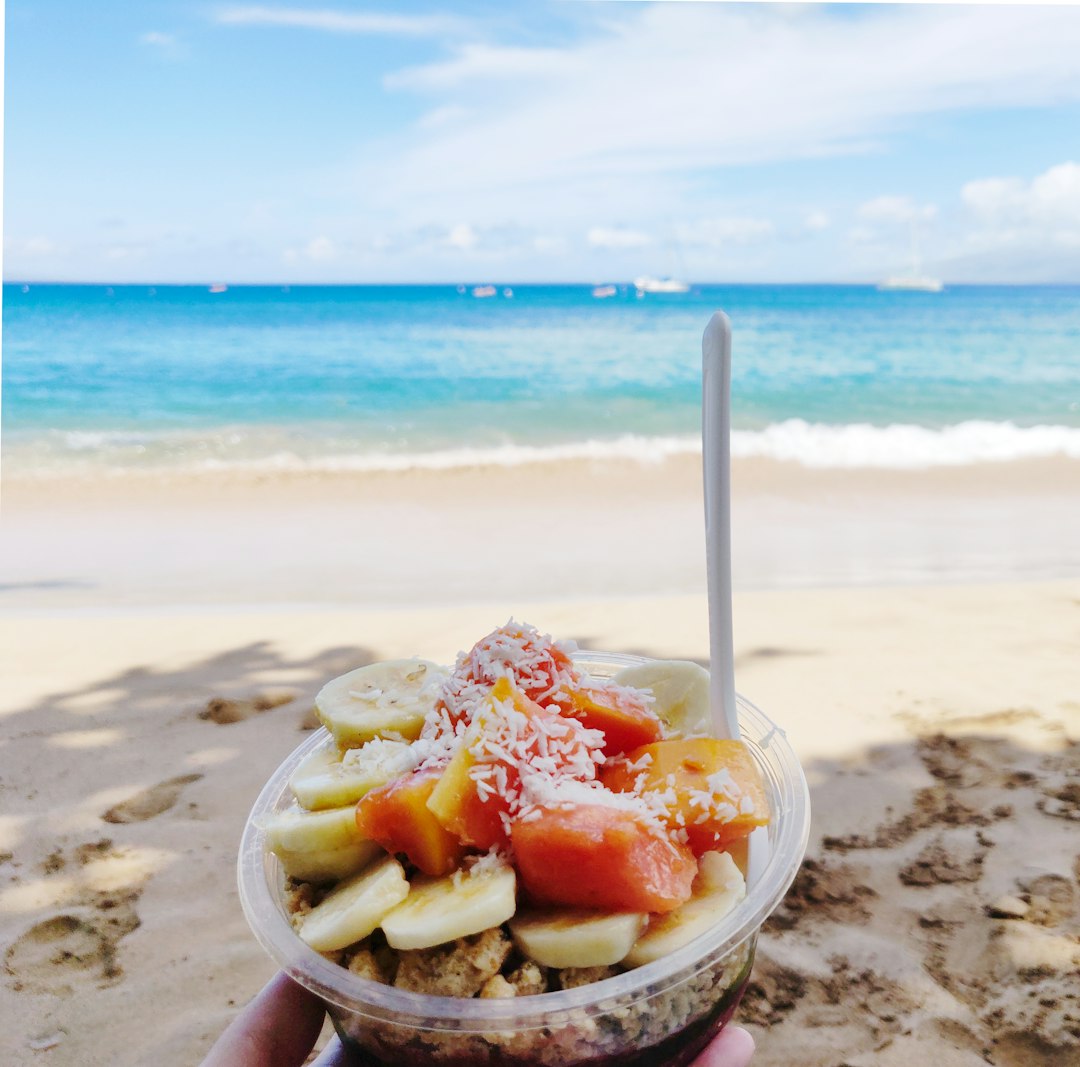
Hawaiian cuisine is a layered thing. The dishes that originated here, such as poi, kalua pig, and poke, sit alongside food shaped by the Japanese, Chinese, Portuguese, and Filipino communities who built the islands’ plantation economy. Both categories deserve attention.
The six dishes below are the foundation. You will encounter them at luaus, local plate lunch spots, and family gatherings across the island. Knowing what they are and where they come from makes the eating more interesting.
Worth Knowing
Beyond the Traditional Six
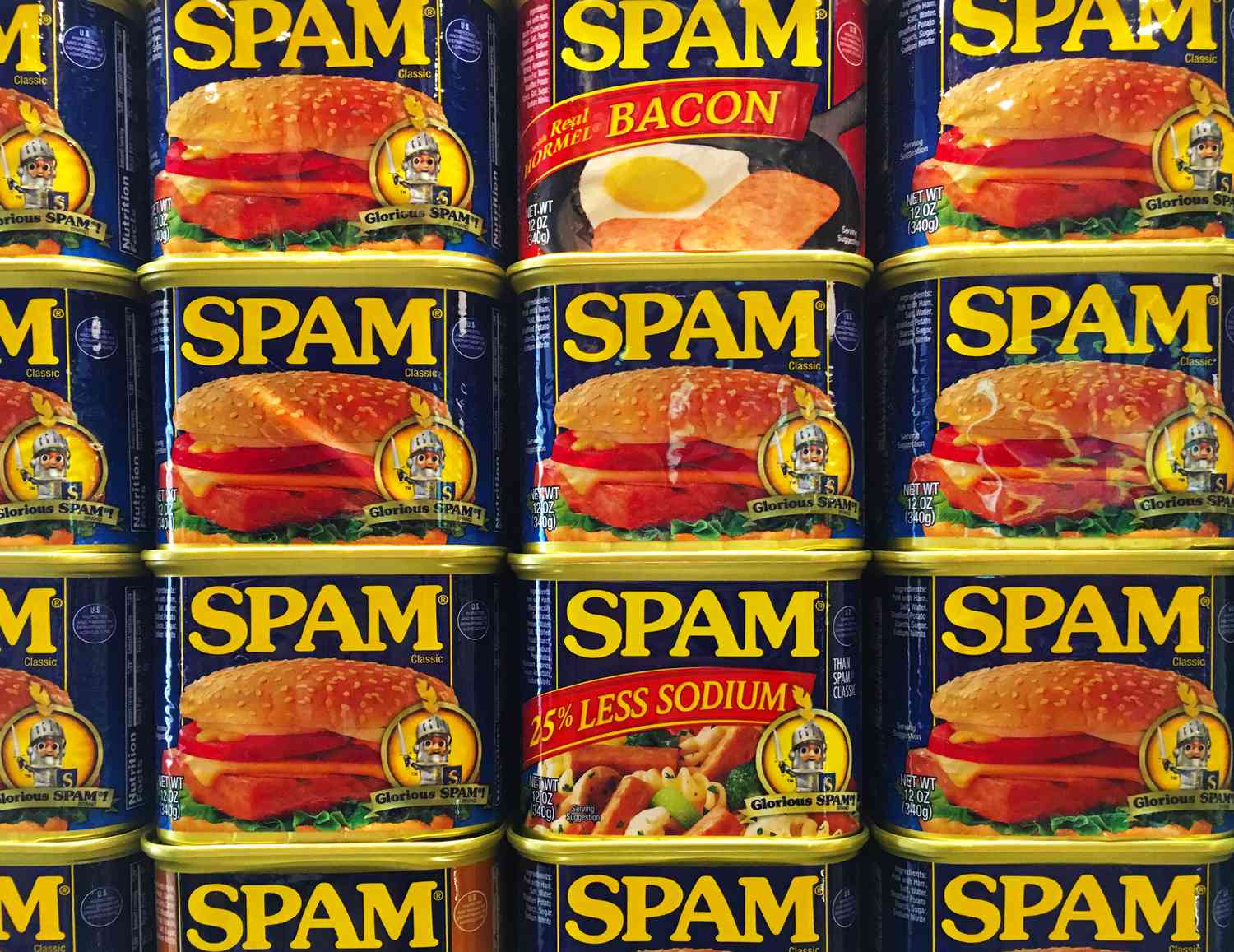
Modern Hawaiian food includes dishes that arrived with the plantation workers and became local staples. Spam musubi (grilled Spam on rice, wrapped in nori) is everywhere. Loco moco is rice, hamburger patty, fried egg, and brown gravy. Malasadas are Portuguese fried doughnuts. Manapua are steamed bao filled with pork. Saimin is a local noodle soup. All of these are worth trying alongside the traditional dishes covered below. For a deeper look at where to eat them, the local Hawaiian snacks guide has specific recommendations. For poke, see the best poke on Oahu, and for full meals, the best food on Oahu.
The Six Dishes to Know
Poi
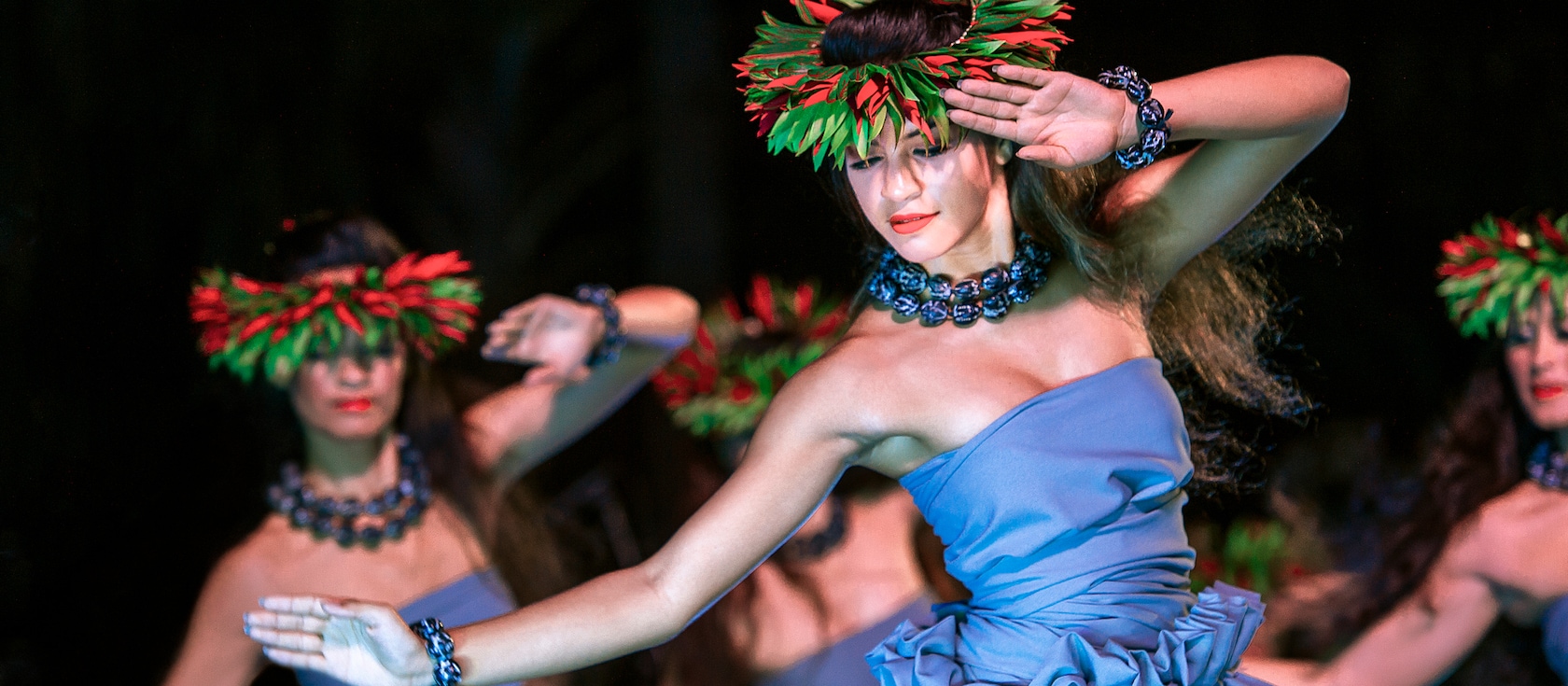
Poi is made from taro root that has been steamed or boiled, pounded into a smooth paste, and thinned with water. It is the foundational food of traditional Hawaiian culture: taro was considered sacred, and poi was the most important daily food for Native Hawaiians for centuries. The flavor is mild and slightly sour, the texture ranges from thick to thin depending on water content, and it is often described as an acquired taste by visitors. Try it at a luau where it will be served alongside other traditional dishes, which gives you the proper context for it.
Kalua Pig
Kalua pig is a whole pig cooked in an imu, an underground oven lined with hot lava rocks and covered with ti leaves and burlap. The slow cooking process, which takes most of a day, produces meat that is smoky, tender, and deeply flavorful with a minimal ingredient list. It is the centerpiece of almost every luau on Oahu. The word kalua refers to the cooking method, not a sauce or seasoning. Many restaurants serve a simplified version cooked in a conventional oven with liquid smoke, which is worth eating but not the same as the real thing.
Poke
Poke (pronounced poh-keh) is a raw fish salad that has become one of the most recognizable Hawaiian foods outside the islands. The traditional version uses ahi tuna or octopus dressed with soy sauce, sesame oil, sea salt, limu seaweed, and kukui nut. It is served cold, eaten with rice or on its own, and found everywhere from grocery store counters to high-end restaurants. The bowl format popular on the mainland is a modern adaptation. On Oahu, the freshest and most affordable poke is almost always found at local supermarkets like Foodland, not at tourist-facing restaurants.

Oahu’s Top Hawaiian Food and Scenic Tour
★★★★★ 4.9 · 167 reviews · From $165
Check AvailabilityWe may earn a commission if you book through this link, at no extra cost to you.
Laulau
Laulau is pork, chicken, or fish wrapped in taro leaves and steamed or baked in a ti leaf packet. The taro leaves soften completely during cooking and take on a deep, slightly earthy flavor that absorbs the fat from the meat inside. The result is rich and intensely savory, and the entire packet is edible once unwrapped. Laulau is typically served at luaus alongside poi and lomi lomi salmon. It is one of the dishes that is hardest to replicate outside Hawaii because the taro leaves are not widely available on the mainland.
Lomi Lomi Salmon
Lomi lomi salmon is salted salmon massaged with fresh tomatoes and diced onions and served cold. The word lomi means to knead or massage in Hawaiian, which describes the preparation method. It arrived in Hawaii as salt-preserved fish brought by European traders and was adopted into the traditional feast alongside taro and pig. The cool, bright, acidic flavor contrasts well with the richness of kalua pig and makes it one of the most refreshing dishes at any luau table.
Haupia
Haupia is a firm coconut pudding made from coconut cream and starch, set into squares and served cold. It is the traditional Hawaiian dessert and appears at virtually every luau and many local celebrations. The texture is somewhere between a soft jello and a firm panna cotta. The flavor is clean coconut with no added sweetness beyond the coconut itself. It is also used as a filling and frosting in the haupia pie and haupia cake variations found at bakeries and restaurants across Oahu.

Toa Luau at Waimea Valley, Oahu
★★★★★ 3473 reviews · From $133 · Free cancellation
Check AvailabilityWe may earn a commission if you book through this link, at no extra cost to you.