Travel Resource · Oahu, Hawaii
Oahu Island Guide
Six distinct regions. One island. Here is what makes each area unique and how to decide where to spend your time.
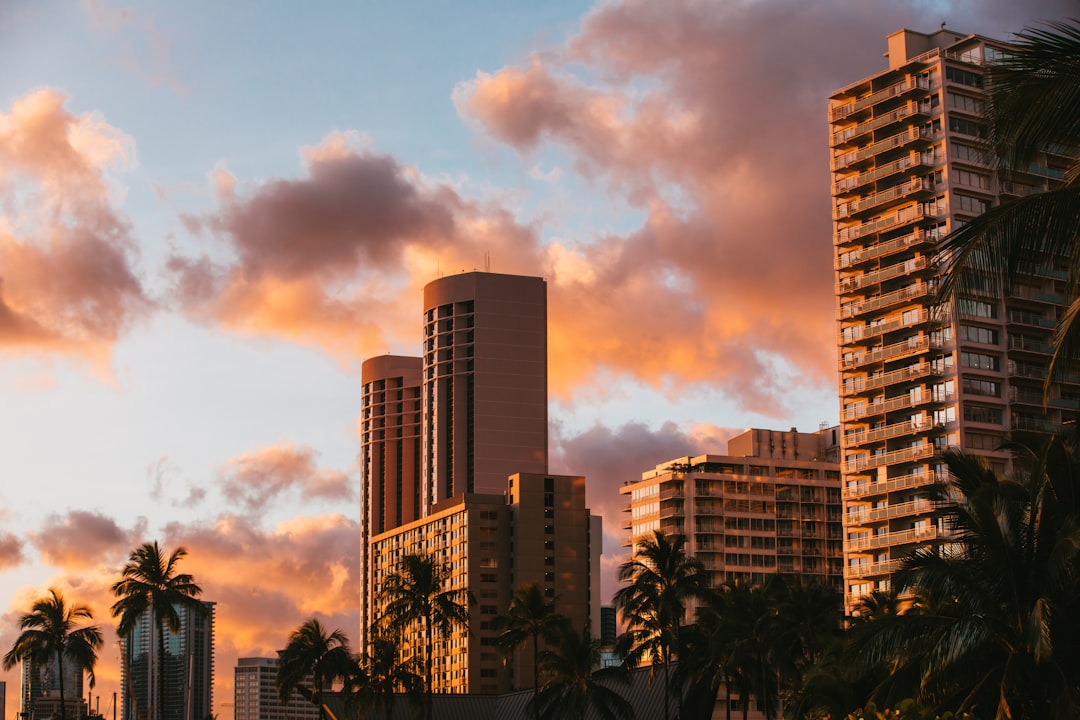
Most visitors land in Honolulu and stay in Waikiki for the duration. That is understandable. The beach is accessible, restaurants are within walking distance, and everything moves at an easy pace. But Oahu is considerably larger and more varied than the strip, and the visitors who leave with the strongest memories are almost always the ones who rented a car and drove.
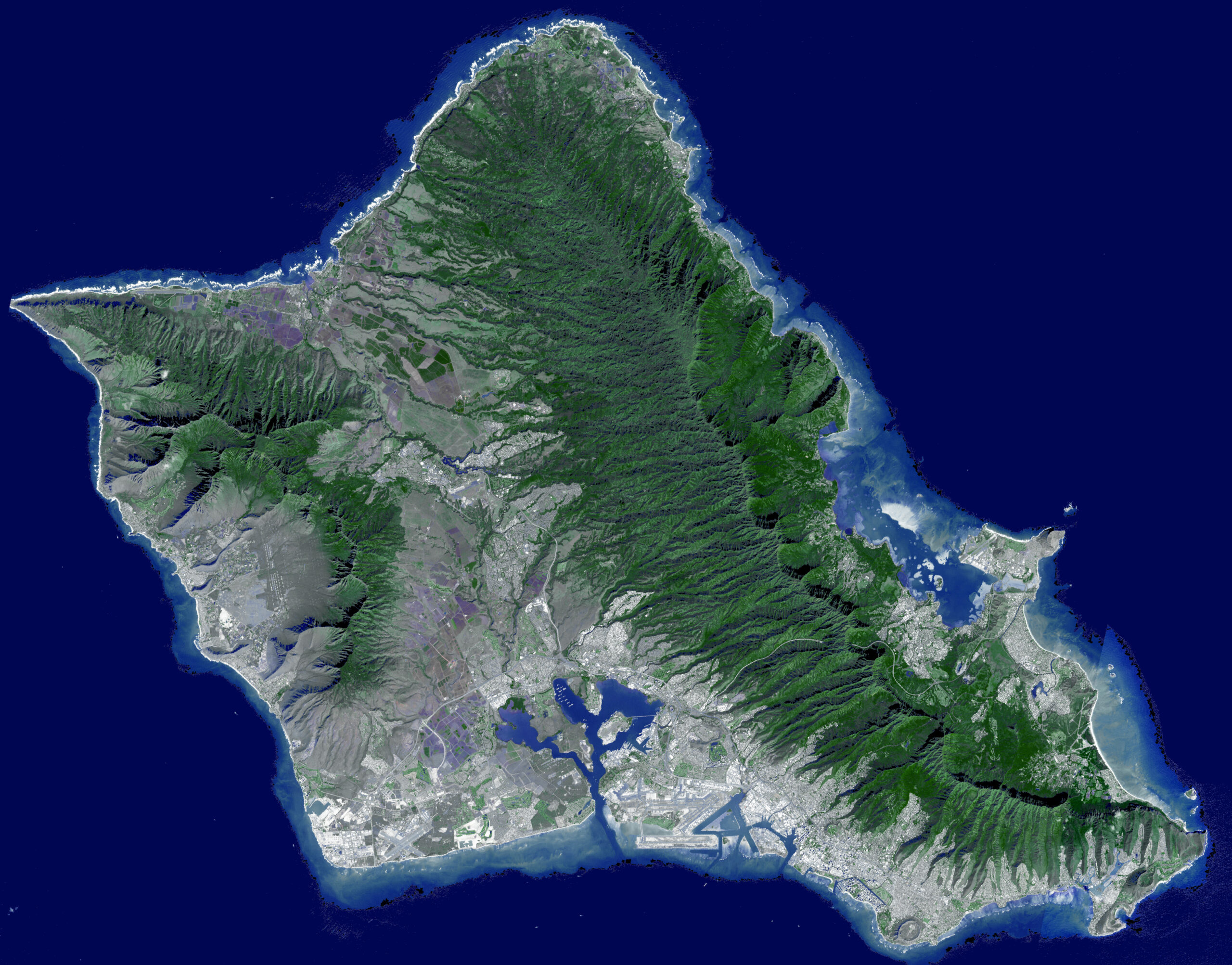
The island divides naturally into five regions, each with its own climate, food culture, and character. Knowing where they are and what they offer changes the entire shape of a trip.
Getting Around
Do You Need a Car?
For Waikiki and central Honolulu, no. TheBus covers the corridor well, and rideshare is available throughout. For everything else: North Shore, Windward Coast, Leeward Coast, and Central Oahu, yes. Oahu has rail (the Skyline) connecting Kapolei to Aloha Stadium, but it does not reach the destinations most visitors want.
Renting a car for at least part of your trip unlocks the entire island. Rates vary by season and pickup location. Honolulu International Airport has the widest selection. Book in advance for peak periods (June through August, December through January).
Compare rentals · 500+ providers
Find the best rental car rate for your trip.
Pick up at Honolulu International (HNL) or any neighborhood location. Book in advance for peak travel periods.
Affiliate. If you book through DiscoverCars we earn a small commission at no cost to you. Open DiscoverCars
The Island of Oahu
01
Waikiki
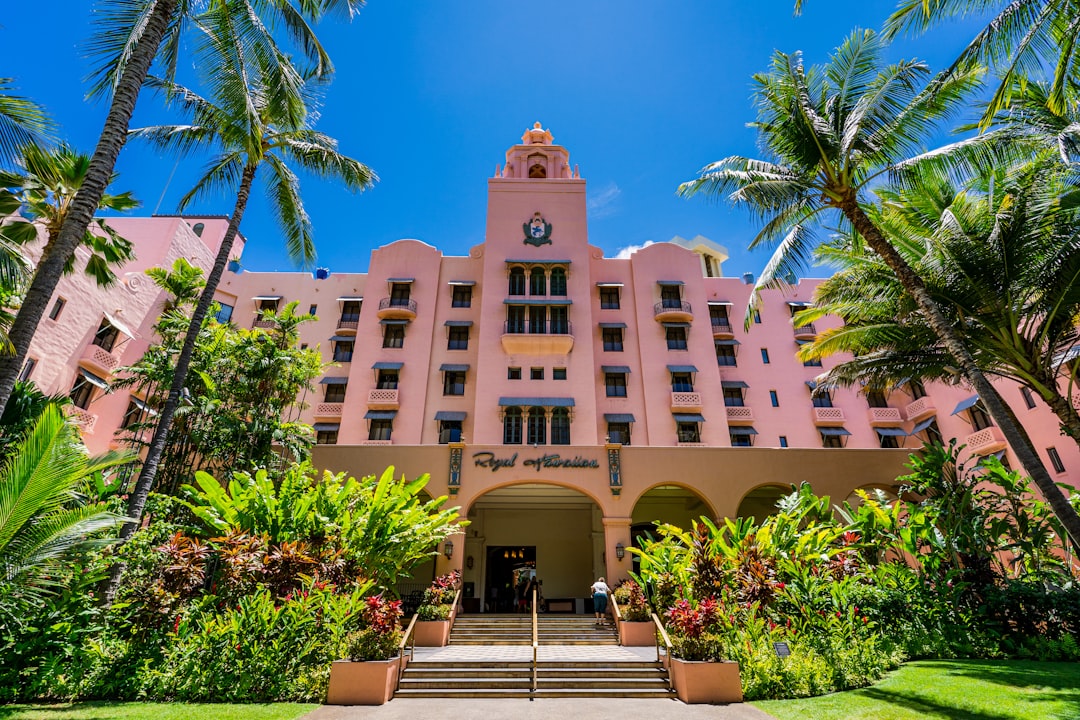
The first stop for most visitors and the most recognizable stretch of beach in Hawaii. Waikiki Beach runs about a mile and a half along the south shore, backed by a dense corridor of hotels, restaurants, and shops. Diamond Head anchors the eastern end with a 45-minute hike that earns its reputation. The strip is touristy by design, but it is also extremely functional: walkable, safe, and close to everything. Most first-timers spend at least a few nights here before venturing further out.
02
Honolulu
The urban core of the island, distinct from the tourist strip of Waikiki. Locals call this “town.” Downtown Honolulu has the Iolani Palace, the only royal palace on U.S. soil, and Chinatown has one of the most interesting food and bar scenes on the island. The neighborhoods of Kaimuki, Kapahulu, and Kakaako are where residents go to eat and drink well. Beyond the historical sites, Honolulu functions like any mid-sized city: real grocery stores, independent coffee shops, and restaurants serving food that has nothing to do with tourism.
03
North Shore
Oahu’s surf capital and its most laid-back corner. Winter swells bring professional surfers to Pipeline, Sunset Beach, and Waimea Bay, where waves can reach 30 feet. Summer calms everything down and the same breaks become swimmable. The town of Haleiwa is the hub: vintage storefronts, Matsumoto Shave Ice, and garlic shrimp trucks along Kamehameha Highway. The whole area runs at a different speed than Waikiki, and that contrast is most of its appeal. About 45 minutes to an hour from Honolulu by car.
04
Windward Coast
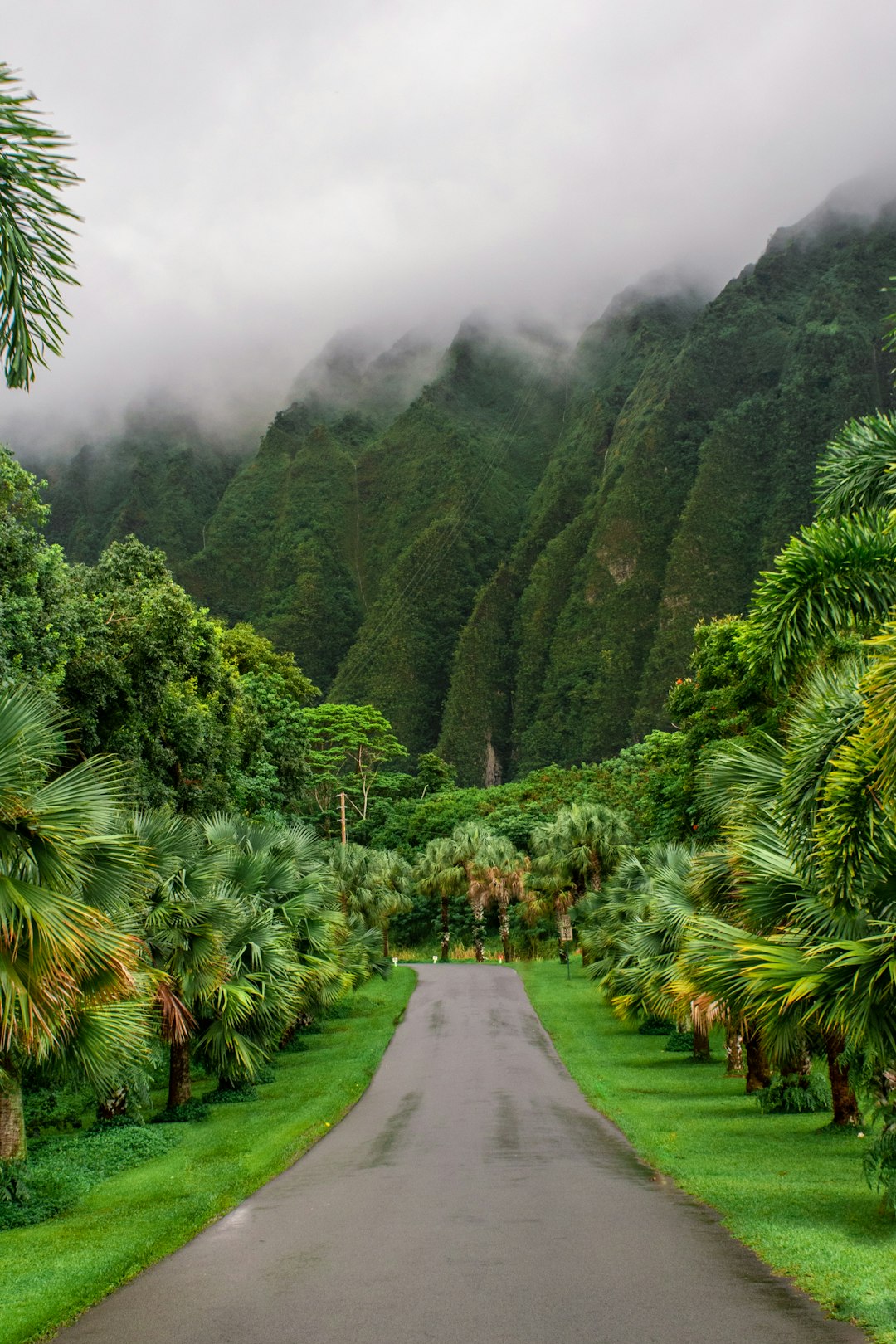
The wet, green side of the island, sheltered from the south and open to the trade winds. The Koolau Mountains trap moisture and keep this coast lush year-round. Kailua and Lanikai are the standout stops: Kailua Beach is consistently ranked among the best in the country, and Lanikai’s turquoise water and the twin Mokulua Islands offshore are genuinely hard to leave. The Makapu’u Lighthouse Trail, a paved 2-mile path on the southeastern tip, ends with sweeping views of the coast and, in winter, humpback whales passing offshore.
05
Leeward Coast
The drier, sunnier western shore. Ko Olina is the resort hub here, home to four man-made lagoons that are calmer and more family-friendly than Oahu’s open-ocean beaches. Kapolei is the region’s main city, sometimes called the island’s second city. Makaha Beach, further north on the far western stretch, is historically significant in Hawaiian surfing and far less crowded than anything near Waikiki. The whole coast runs quieter, with more locals and fewer tourists, and the sunsets from the western shore are among the best on the island.
06
Central Oahu
The interior of the island is flat, agricultural, and largely residential. Wahiawa sits at the center, flanked by former pineapple plantations. The Dole Plantation is the most visitor-facing stop, and the Dole Whip alone justifies the detour for many people. Central Oahu is not a destination in itself, but it is the most direct corridor between the south shore and the North Shore. The drive through on H-2 is a good reminder of how much island exists beyond the coasts, and the produce stands along Kam Highway on the return trip are worth stopping for.
Frequently Asked Questions
What is the best part of Oahu?
There is no single best part. Each region has a distinct character. Waikiki and Honolulu offer the most convenience and the widest range of food and nightlife. The North Shore is best for surf culture, shave ice, and a genuinely laid-back pace. The Windward Coast has the most beautiful beaches. The Leeward Coast is quieter, sunnier, and more local. Central Oahu is mainly a transit corridor with the Dole Plantation as its biggest draw. The best trips combine at least two or three regions.
When is the best time to visit Oahu?
The shoulder seasons (April through June and September through November) offer the best balance of good weather, thinner crowds, and lower hotel rates. Oahu is a year-round destination with temperatures staying between 75 and 85 degrees Fahrenheit through most of the year. Summer (June through August) is peak tourist season. Winter (December through January) brings large surf to the North Shore and is the best time to watch humpback whales from the Windward Coast.
Do I need a car to get around Oahu?
For Waikiki and central Honolulu, no. TheBus covers the area well and rideshare is available. For the North Shore, Windward Coast, Leeward Coast, and Central Oahu, yes. A rental car is the most practical option for exploring the full island. The Skyline rail connects Kapolei to Aloha Stadium but does not reach most visitor destinations. Book a rental car in advance, especially for summer and holiday travel periods.
How safe is Oahu for tourists?
Oahu is generally very safe. Take the same precautions you would in any popular destination: do not leave valuables visible in a parked car, be aware of your surroundings in crowded areas, and respect posted ocean safety warnings. The main practical risks for visitors are ocean-related. Currents and surf conditions are often stronger than they look. Check conditions before entering the water, especially on the North Shore in winter.
Which beaches should I visit on Oahu?
Kailua Beach and Lanikai Beach on the Windward Coast are consistently ranked among the most beautiful in the country. Waikiki Beach is the most convenient and accessible. Hanauma Bay is the best snorkeling on the island but requires advance reservations. Waimea Bay on the North Shore is calm and swimmable in summer, spectacular to watch in winter. Sunset Beach and Pipeline are best observed from shore in winter unless you are an experienced surfer.
What is Hawaiian food?
Hawaiian food is a fusion of traditional Hawaiian dishes and generations of culinary influence from Japan, China, Portugal, and the Philippines. Traditional dishes include poi (mashed taro), laulau (meat steamed in taro leaves), and kalua pig (slow-roasted pork). Modern local staples include poke, loco moco (rice, hamburger patty, fried egg, and gravy), and Spam musubi. Shave ice is the quintessential snack. The food scene in Honolulu, especially in Kaimuki and Kakaako, extends well beyond tourist-facing menus.
What should I wear in Oahu?
Light, breathable clothing works for most occasions. Shorts, t-shirts, and sandals are appropriate almost everywhere during the day. Cover up when moving from the beach into shops, restaurants, or public spaces. For upscale restaurants or evening events, “aloha attire” is the norm: aloha shirts for men, sundresses or light slacks for women. A light layer is useful for air-conditioned interiors and higher-elevation areas like Tantalus or the Pali Lookout, which are noticeably cooler than the coast.
Oahu Sunrise & Circle Island Adventure
★★★★★ 301 reviews · Free cancellation
Check AvailabilityWe may earn a commission if you book through this link, at no extra cost to you.