
Food & Drink · Local Culture
Local Hawaiian Snacks: The Definitive List
Hawaii’s snack culture is a product of its history. Japanese, Portuguese, Filipino, and native Hawaiian food traditions have been colliding on these islands for generations. Here is what you need to try.
Some links on this page are affiliate links. If you book or buy through them, we may earn a commission at no extra cost to you.
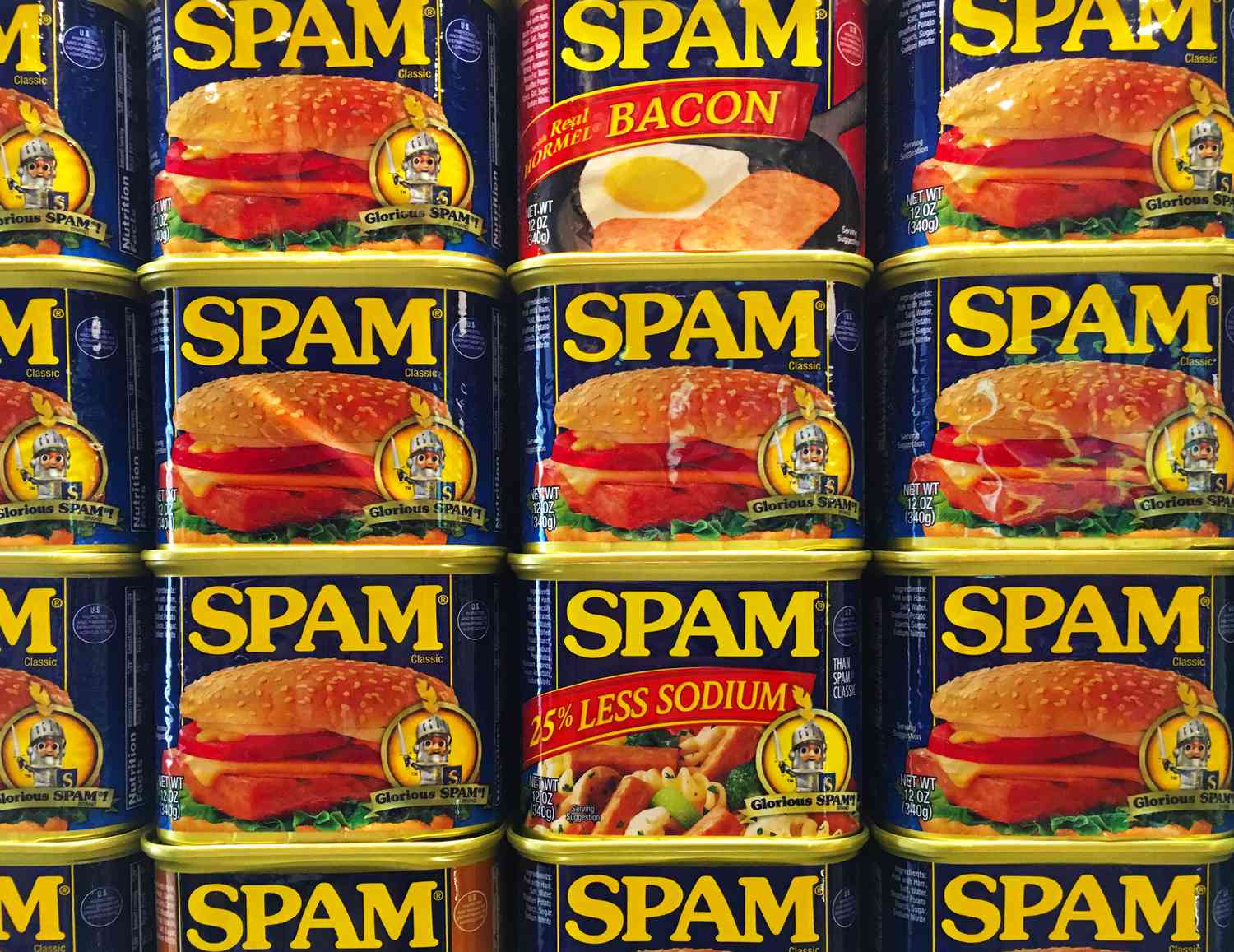
When you think of Hawaii, you picture beaches and surf. But the snack culture here is just as interesting as anything else on the island. Hawaiian snacks are not novelties sold at airports. They are food with deep roots, each one a product of the specific mix of cultures that has defined these islands for more than a century.
Portuguese immigrants brought malasadas. Japanese plantation workers brought spam musubi culture and rice-based snacks. Polynesian tradition contributed taro and coconut preparations that predate any of it. The result is a snack landscape unlike anywhere else in the country.
Good to know
Where to Buy Local Hawaiian Snacks
You do not need to hunt for most of these. The best sources for authentic Hawaiian snacks are closer than you think.
7-Eleven and ABC Stores. Spam musubi, arare, Li Hing Mui candy, and crack seed are all available at convenience stores across Oahu. 7-Eleven in Hawaii is genuinely different from the mainland version. Do not skip it.
Don Quijote. The Japanese discount supermarket chain has locations in Honolulu and is one of the best single-stop sources for local snacks, dried goods, and specialty items. Prices are lower than tourist-area shops.
Costco Hawaii. Hawaiian Host macadamia nut chocolates, hurricane popcorn, and taro chips are all stocked in large quantities. If you are buying snacks to bring home, Costco is the most cost-effective option on the island. For candy and gift boxes you can order ahead, see our guide to Hawaiian candy and snack gifts. For full meals, see the best food on Oahu.
The Snacks You Need to Try
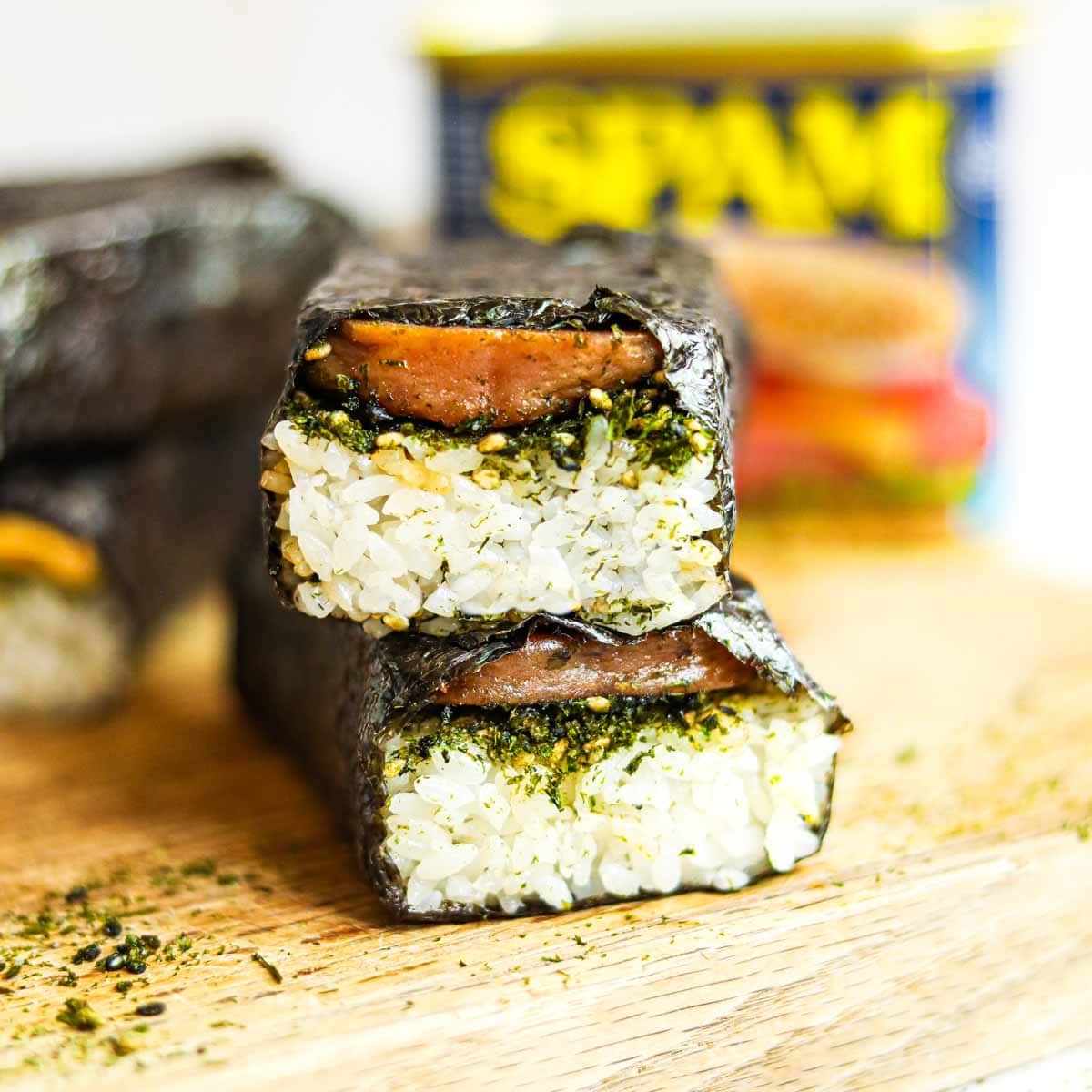
Spam Musubi
If you eat one local snack in Hawaii, make it this. Spam musubi is a grilled slice of Spam placed on a block of seasoned rice, wrapped tightly with nori, and often brushed with a sweet soy glaze. It is salty, savory, portable, and completely addictive. The snack reflects Hawaii’s Japanese and military history in a single bite: Spam was introduced during World War II, and the musubi format comes directly from Japanese onigiri tradition. You can find it at every 7-Eleven, ABC Store, and most local eateries. The 7-Eleven version is genuinely worth trying. Do not let the convenience store setting put you off.
Malasadas
Malasadas came to Hawaii with Portuguese immigrant workers in the 1800s. They are deep-fried doughnuts, rolled in sugar while still warm, with a crisp exterior and a soft, airy interior that collapses when you bite into them. Traditional malasadas are plain, but modern versions come filled with custard, chocolate, guava, or lilikoi (passion fruit). Leonard’s Bakery on Kapahulu Avenue in Honolulu is the most famous source on the island, operating since 1952, and the line forms early for a reason. If you are near the North Shore, Sunrise Shack also does a strong version. Eat them fresh and warm. They do not travel well.
Hurricane Popcorn
Hurricane popcorn is one of those things that sounds strange until you try it, at which point it becomes completely logical. Buttered popcorn is tossed with furikake (a Japanese seasoning blend of sesame seeds, dried seaweed, salt, and sometimes dried fish) and mochi crunch (small crispy rice crackers). The result is a snack that balances sweet, salty, and savory in a way that regular popcorn cannot. It is genuinely addictive. The Hawaiian Hurricane Company makes a packaged version available at most grocery stores, but local movie theaters and concession stands often serve the fresh version. If you see it fresh, choose that.
Li Hing Mui
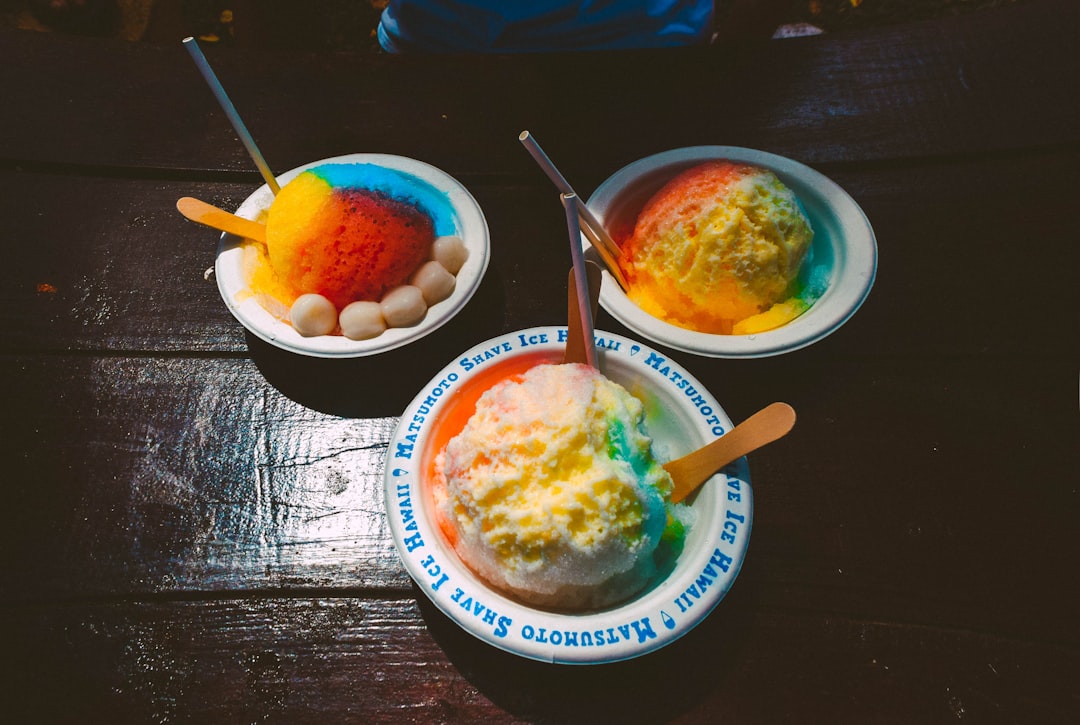
Li hing mui is preserved Chinese plum, and the flavor is genuinely unlike anything most mainland visitors have encountered: intensely sweet, salty, tangy, and slightly bitter all at once. The dried whole plum version is the traditional form. The powder is more versatile and shows up as a seasoning on gummy bears, fresh fruit (especially mango and pineapple), shave ice, and cocktail rims. It polarizes people, which is part of its appeal as a local snack. If you are not sure whether you will like it, start with li hing shave ice before committing to a bag of whole dried plums. Most people who try it become converts. Some do not. Either way, it is worth trying once.

Oahu’s Top Hawaiian Food and Scenic Tour
★★★★★ 4.9 · 167 reviews · From $165
Check AvailabilityWe may earn a commission if you book through this link, at no extra cost to you.
Manapua
Manapua is Hawaii’s version of char siu bao, the Chinese steamed bun, adapted and renamed over more than a century of local food culture. The word itself comes from the Hawaiian phrase for delicious pork. The traditional filling is sweet barbecued pork (char siu), but modern versions include chicken curry, kalua pork, and coconut cream. The buns are sold from dedicated manapua shops, bakeries, and the occasional food truck. Day bakeries often sell them in the morning and run out by early afternoon. They are soft, warm, filling, and considerably better than anything you will find labeled “Asian fusion” in Waikiki. Royal Kitchen in Chinatown’s Chinese Cultural Plaza, one of the first Honolulu shops to bake manapua instead of steaming them (since 1974), is the place to start.
Arare
Arare are Japanese rice crackers that have been a Hawaii staple since the plantation era. The name covers a range of shapes and sizes, but the common thread is a satisfying crunch and a salty, umami-forward flavor from soy sauce seasoning, often finished with nori. They are frequently mixed into hurricane popcorn, sold in bulk at Japanese markets and Don Quijote, and consumed by the handful by people watching football on a Sunday. Mochi crunch is the most recognizable variety and the one you are most likely to encounter as a package in a store. Do not confuse them with mainland rice cakes, which are airy and flavorless by comparison. These have actual texture and seasoning.
Taro Chips
Taro is a root vegetable with deep roots in Polynesian culture. In Hawaii, it is the foundation of poi, the traditional paste eaten at luaus, but it also shows up in chip form as a snack that holds its own against potato chips on flavor and beats them on novelty. Taro chips are earthy, slightly nutty, and dense in a way that makes them more satisfying by the handful. The Hawaiian Chip Company produces the most widely distributed version. You will find them at the airport, at ABC Stores, and at most grocery stores. They travel well, which makes them a practical souvenir choice if you are looking for something edible to bring home.
Haupia
Haupia is a traditional Hawaiian coconut pudding with a firm, jelly-like texture made from coconut milk, sugar, and cornstarch. It is one of the oldest Hawaiian desserts still in common use and shows up at every luau, plate lunch spot, and local bakery. The texture is denser than panna cotta but lighter than a standard pudding, and the coconut flavor is clean and not artificially sweetened. Modern versions appear as pie filling (haupia pie is common at local bakeries), as a layer in chocolate cake, and as a topping for shave ice. If you attend a traditional luau during your visit, haupia will be on the table. Start there and work backward to find your preferred format.

Waikiki Food Tour: Five Local Favorite Tastings
★★★★★ 78 reviews · From $107 · Free cancellation
Check AvailabilityWe may earn a commission if you book through this link, at no extra cost to you.
Comments
One response to “Local Hawaiian Snacks: The Definitive List”
[…] Any trip to Oahu requires a trip to the beach. With its year round sunshine and warm weather the beach has become synonymous with Hawaii. When you and your family are planning your trip to Oahu, proper planning can go a long way. You will want to get the most our of your tip, so you should be asking what beaches should you prioritize? No matter what beach you choose, remember to be respectful, safe, follow all posted rules and guidelines, and pack snacks! […]