
Central Oahu · Distillery
Kō Hana Rum: Inside Oahu’s Native-Cane Agricole Distillery
Most rum in the world is made from molasses, the syrup left over after sugar is refined. Kō Hana does the opposite. It presses juice from fresh-cut Hawaiian sugarcane and distills that, which makes it agricole rum, and it is the reason a stop here tastes nothing like a hotel bar in Waikiki.
Some links on this page are affiliate links. If you book or buy through them, we may earn a commission at no extra cost to you.
Rum that starts in a cane field
Kō Hana grows more than 30 varieties of heirloom Hawaiian sugarcane on about 30 acres in Kunia. These are the canes Polynesian voyagers carried to the islands and Hawaiians selected over generations, and the distillery calls itself the largest conservator of native Hawaiian sugarcane in the world. The cane is cut and pressed several times a week, then fermented and distilled fast, so the rum keeps a green, grassy character that molasses rum never has. USA Today’s 10Best named Kō Hana one of the ten best rum distilleries in the country.
Agricole is the harder, fresher style of rum, the one made on Martinique and a handful of places that grow their own cane. Almost no distillery in the United States works this way, because it means farming first and distilling second. Kō Hana farms first, and you can taste it. The unaged rum is bright and vegetal, closer to a green sugarcane stalk than to the caramel sweetness most people expect from rum.
Why it is worth the drive
A working farm, not a tasting lounge
The distillery sits in the old general store of a former pineapple plantation in Kunia, surrounded by the cane that goes into the bottle. You taste the rum about a hundred yards from where it grew. That is the whole pitch, and it holds up.
What the tour is like
The guided Distillery Tour runs 45 to 60 minutes and follows the rum from soil to glass.
- A shot of fresh-pressed cane juice to start, served straight from the press.
- A walk through the garden of native cane varieties, where guides explain how each one reached Hawaii and what it gives the rum.
- A look at the grinding and harvest, which happens several times a week.
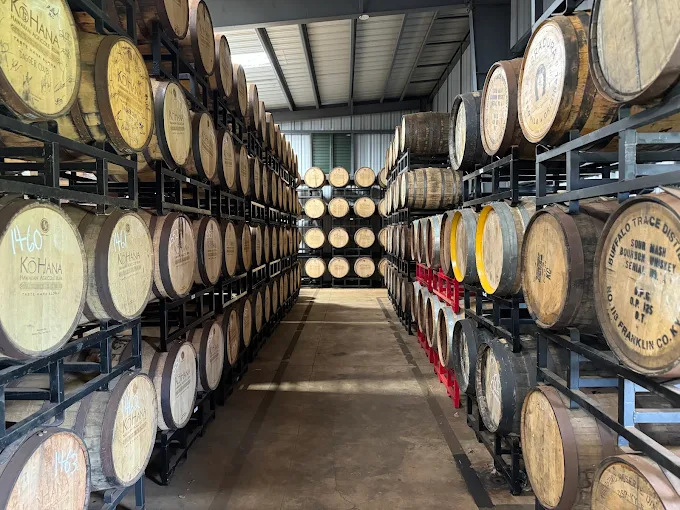
- The barrel room and on-site distillery, where the rum ages and gets bottled.
- A guided flight of four expressions at the tasting bar, finished with a souvenir glass you keep.
What to taste and take home
The lineup runs from KEA, the unaged white agricole that tastes closest to the fresh cane, to barrel-aged bottles like KOHO, KOA, and KILA, plus KOKOLEKA, a cacao-finished rum (kokoleka means chocolate in Hawaiian). The aged flight upgrade adds $15 and is the one to get if you want to see what Hawaiian cane does with time in oak. Bottles and the souvenir glass are sold in the tasting room.
Bring the kids, with one rule
Kō Hana is a real farm, and families are welcome. Kids and anyone not drinking get the fresh cane-juice tasting, the cane-pressing demonstration, the garden, and treats like gelato and chocolate. The one rule is the rum itself: the tasting flight is for guests 21 and over. Treat it as a farm visit the whole family enjoys, with the flight reserved for the adults.
Good to know
Before you go
Parking is free and easy at the distillery. The tour spends time outside on a working farm, so wear closed shoes and bring sun cover. Budget about an hour, longer if you linger over the flight. One local tip: kamaʻaina and military guests get a discounted rate by phone with ID, so call ahead instead of booking online if that is you.
How to visit
Kō Hana is at 92-1770 Kunia Road in Kunia (Google Maps), open daily from 10:30am to 5pm. It is about a 40-minute drive from Waikiki, out past Waipahu into the cane and pineapple land of central Oahu. The on-site Distillery Tour is $35, and the Friday-only Deep Dive runs $150 for serious enthusiasts. The Estate Farm Tour is closed while fire damage is repaired. Groups are capped around 20, so reserve ahead. Kō Hana sits about 15 minutes from Dole Plantation, which makes it an easy add to a central Oahu or North Shore loop, and you will want a car to reach Kunia. Build it into your day with the Oahu scenic drive map or the itinerary builder.
Book the tour